Vegetarian Pad Thai is a vibrant and delicious dish that beautifully marries the bold flavors of Thailand with a medley of fresh vegetables and plant-based proteins.
This stir-fried noodle dish, known for its balance of sweet, sour, salty, and umami notes, is typically crafted with rice noodles, crunchy peanuts, and various colorful veggies.
🌟 Tarot Insight: The Lovers, The Hanged Man, The Magician
-
The Lovers – This card speaks to harmony and the fusion of opposites. Pad Thai is a dish of balance—sweet, salty, tangy, crunchy, and soft. Just as this card represents union and choice, so too does Pad Thai call for the conscious blending of ingredients into something greater than the sum of its parts.
-
The Hanged Man – Symbolizing a shift in perspective, this card aligns with the idea of turning a traditionally fish-sauce-laden dish into a vegetarian celebration. There’s sacrifice, yes (no shrimp or eggs), but a beautiful reward: spiritual renewal through mindful eating.
-
The Magician – Manifestation and mastery come alive here. This is a sorcerer’s dish—a kitchen alchemist’s spell. With tamarind, lime, peanuts, and rice noodles, you are wielding all four elemental tools (earth, air, fire, water) in perfect synchronicity.
🃏 Interpretation: Pad Thai represents a moment of conscious choice, a shift to a plant-based path, and a magician’s creative spark. This dish is ideal for days when you seek union between your actions and values, between nourishment and joy.
🪄 Haiku Spell:
Tamarind dances
Joy hums in lime’s secret kiss—
Balance made sacred.
🧡 Chakra Insight: Solar Plexus & Heart Chakras
-
Solar Plexus (Manipura) – This chakra governs personal power, digestion, and will. The bold, tangy-sweet flavor of Pad Thai lights this chakra like a flame. It encourages confidence, self-expression, and transformation through action.
-
Heart Chakra (Anahata) – The harmony in Pad Thai—how textures and tastes align—soothes the heart. It’s a meal that brings people together, often shared communally, enhancing connection and compassion.
-
💛 Affirmation:
“With every bite, I awaken my joy and nourish my strength. I am balanced, I am loved, I am radiant.”
Cultural Significance
Pad Thai, often regarded as Thailand's national dish, has a fascinating history that reflects the country's culinary evolution. It gained prominence during World War II as a means to promote rice consumption and to create a national identity around a beloved dish. The recipe was standardized and popularized by the Thai government, which encouraged street vendors to serve this delicious and affordable meal. Today, Pad Thai stands as a symbol of Thai cuisine, encapsulating the country’s rich heritage and the blend of various culinary influences, particularly from Chinese stir-fry traditions.
The beauty of Vegetarian Pad Thai lies in its accessibility; it can be enjoyed as street food from bustling markets in Bangkok or savored in a cozy home kitchen. The dish represents a harmonious blend of flavors and textures, showcasing the skillful balance that Thai cuisine is known for. Each bite transports you to the vibrant streets of Thailand, where the aromas of sizzling garlic, tamarind, and fresh herbs waft through the air, inviting you to indulge in a true culinary adventure.
Unique Ingredients and Flavors
At the heart of any great Pad Thai is the combination of fresh ingredients that create a symphony of flavors. The rice noodles, often used as the foundation, provide a chewy texture that soaks up the delicious sauce. While the traditional recipe typically includes shrimp or chicken, the vegetarian version embraces a variety of colorful vegetables such as bell peppers, carrots, bean sprouts, and scallions, bringing a delightful crunch and freshness to each forkful.
The sauce is where the magic truly happens. Tamarind paste, a key ingredient, lends a tangy sweetness that is quintessential to Pad Thai. Paired with soy sauce, a hint of sugar, and lime juice, the sauce creates a rich, glossy coating for the noodles that is utterly irresistible. The addition of crushed peanuts not only provides a nutty flavor but also adds a satisfying crunch, transforming each bite into a layered experience. Fresh cilantro and lime wedges serve as the final touch, elevating the dish with bright herbal notes and zesty brightness.
Cooking Techniques
The cooking technique for Vegetarian Pad Thai is as important as the ingredients themselves. Stir-frying over high heat ensures that the noodles are cooked perfectly while retaining their delightful chewiness. It’s essential to have all your ingredients prepped and ready before you start cooking, as the process moves quickly. A well-seasoned wok or a large skillet works best, allowing for even heat distribution and helping achieve that coveted smoky flavor, known as “wok hei.”
One insider tip to enhance the dish's depth is to lightly toast the peanuts and any spices before adding them to the stir-fry. This simple step unlocks a world of flavor, accentuating the nutty characteristics and infusing the dish with warmth. The careful balance of timing and heat is crucial; overcooking the vegetables can lead to a soggy texture, while undercooking can leave them too crunchy.
Vegetarian Pad Thai is not just a meal; it’s an experience that invites endless creativity. Whether you choose to add tofu for extra protein, experiment with different vegetables, or adjust the seasoning to your taste, this dish is a canvas for your culinary artistry. Each time you prepare it, you have the opportunity to make it uniquely yours, allowing for personal flair and experimentation. As you embark on this cooking journey, remember that the joy of preparing and sharing this beloved dish is as rewarding as the final result itself.
Feed Your Energy Centers


 In a large bowl, soak 8 ounces of rice noodles in warm water for about 30 minutes, or until they're soft but still firm to the bite. Drain and set aside.
 In a large skillet or wok, heat 2 tablespoons of vegetable oil over medium-high heat. Add 3 minced garlic cloves and 1 small diced onion; sauté for 2-3 minutes until fragrant and translucent.
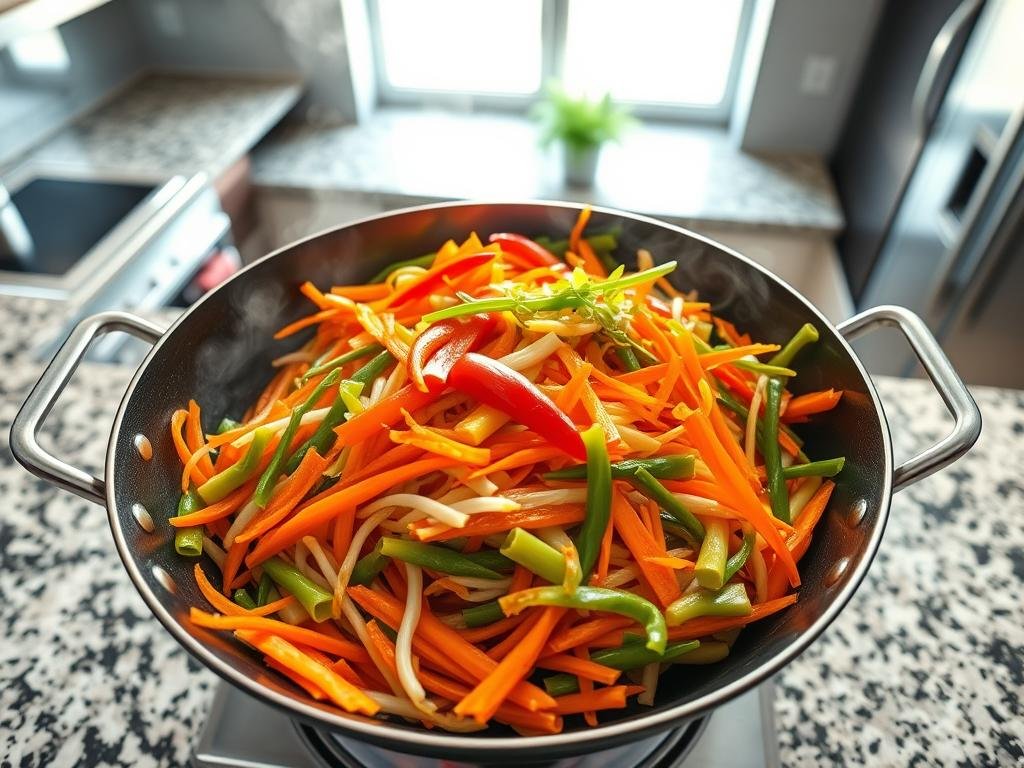 Toss in 1 cup of shredded carrots, 1 cup of bean sprouts, and ½ cup of sliced bell peppers. Stir-fry for about 5 minutes until they are tender yet still crisp.
 Add the drained noodles to the skillet along with the sauce made from 3 tablespoons of soy sauce, 1 tablespoon of tamarind paste, 1 tablespoon of sugar, and a splash of lime juice. Toss everything together and cook for an additional 2-3 minutes until well combined.
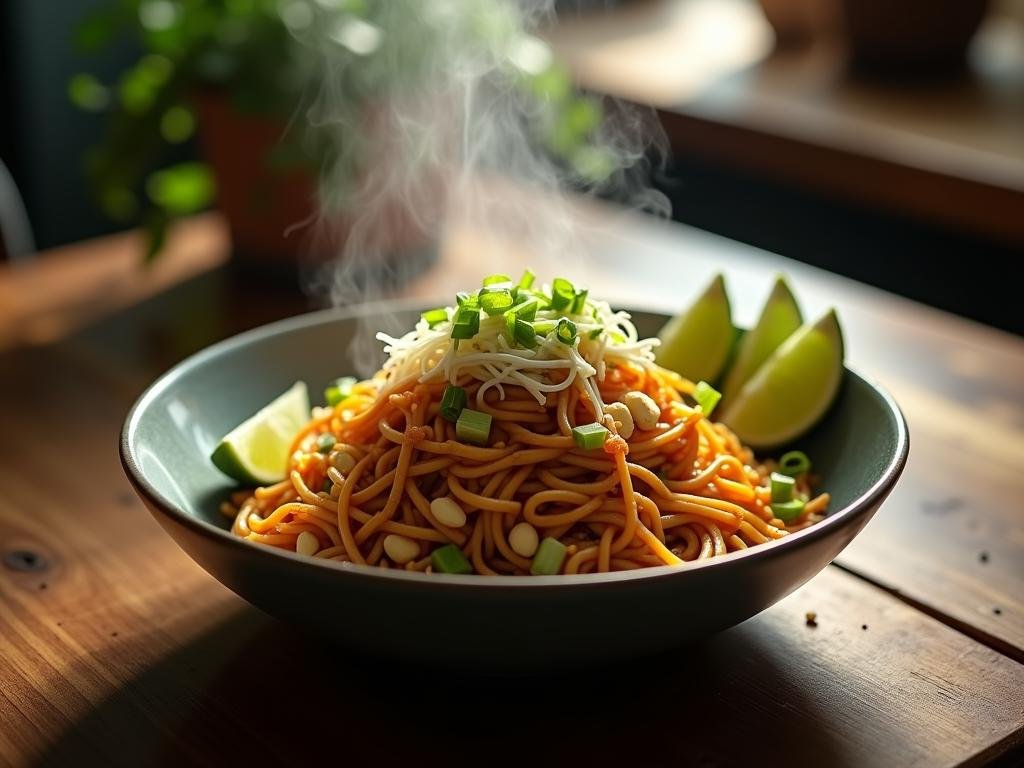 Remove from heat and stir in ¼ cup of chopped green onions and ¼ cup of chopped peanuts. Serve hot, garnished with fresh lime wedges and more bean sprouts on top.