Introduction
Some wounds do not arrive with tears.
They arrive with silence.
The Three of Swords tarot card represents the exact moment an emotional truth pierces the heart: heartbreak, betrayal, grief, or the sudden realization that something has changed forever. In this first step of the Lira Ritual, emotional healing does not begin with words. It begins with sensation.
This Sumac & Za’atar Ritual Flatbread was created for moments of emotional numbness and disconnection. The sharp acidity of sumac awakens the senses, while the earthy warmth of za’atar and olive oil creates a feeling of grounding and safety. Warm flatbread turns the ritual into something physical, tactile, and immediate.
Rather than asking you to “fix” your emotions, this ritual invites you to return gently to the body through taste, aroma, warmth, and attention. The goal is not to force healing. The goal is simply to feel present again for a few moments at a time.
Part recipe, part sensory ritual, this dish marks Day 1 of the Lira 30-Day Ritual: the moment the wound opens, and the healing journey quietly begins.
Origin and Cultural Significance
The inspiration for this dish is deeply rooted in Mediterranean and Middle Eastern cuisine, where za’atar and sumac have been cherished for centuries not only for their flavor, but also for their connection to warmth, nourishment, and hospitality.
Za’atar is a traditional spice blend commonly made with wild thyme, oregano, marjoram, toasted sesame seeds, and salt. Across many Middle Eastern kitchens, it is considered a comforting everyday ingredient — earthy, aromatic, and deeply familiar. Traditionally, za’atar was valued not only for flavor, but also for warmth, clarity, and nourishment, making it a natural foundation for a grounding ritual centered on emotional presence.
Sumac is made from dried and ground berries of the sumac shrub and is widely used throughout Mediterranean and Levantine cooking. Its flavor is tart, citrus-like, and slightly sharp, bringing brightness and contrast to rich foods such as olive oil and warm bread. For centuries, sumac has been used in both cooking and traditional herbal practices, where sour flavors were often associated with awakening the senses and stimulating the appetite and breath.
Together, za’atar and sumac create a balance between warmth and sharpness, comfort and awakening — qualities that mirror the emotional tension of the Three of Swords itself.
Unique Ingredients and Flavors
The choice of ingredients in this recipe is deliberate, with each element contributing to the sensory grounding experience.
Extra virgin olive oil forms the base of the ritual, offering richness, softness, and warmth. Its smooth texture carries the spices while creating a calming foundation for the sharper flavors that follow.
Za’atar contributes earthy herbs, toasted sesame, and a gentle savory depth that feels both comforting and familiar. Sumac adds brightness and acidity, creating a sudden sensory contrast that awakens the palate and interrupts emotional flatness with a moment of clear physical presence.
A pinch of flaky sea salt intensifies the flavors and adds texture, while optional chili flakes introduce a subtle heat for those who want a deeper sensory experience. Fresh thyme, used as a garnish, releases a clean herbal aroma that supports the grounding atmosphere of the ritual.
The result is simple but layered: warm bread, fragrant herbs, rich olive oil, and sharp citrus-like acidity working together as both nourishment and sensory practice.
Cooking Techniques and Sensory Experience
The preparation of this dish is intentionally simple, allowing attention to remain on the sensory experience itself.
Warming the flatbread in a dry pan until soft and steaming enhances both texture and aroma. The warmth makes the bread more pliable for tearing and dipping, while also creating a comforting physical sensation in the hands.
The act of tearing the bread by hand is intentional. It encourages direct tactile engagement with the food and slows the process down into something more mindful and immediate.
As the oil, za’atar, and sumac are stirred together, the herbs begin releasing an herbal aroma before the first bite. This moment invites awareness of scent, color, warmth, and texture before taste even begins.
When the bread is dipped into the seasoned oil, each flavor arrives in stages: the richness of olive oil, the earthy warmth of za’atar, and finally the sharp brightness of sumac. Eating slowly allows the body to notice these shifts fully, turning a simple snack into a grounding sensory experience.
Mindful Consumption and Emotional Grounding
This recipe moves beyond traditional culinary boundaries and becomes a small ritual of emotional grounding and sensory mindfulness.
During periods of grief, heartbreak, or emotional transition, it is common to feel disconnected from the body and present moment. This ritual offers a gentle way to reconnect through simple sensory actions: warming bread, smelling herbs, tasting acidity, and noticing physical sensation without judgment.
The final squeeze of lemon over the remaining oil introduces a brighter layer of acidity that refreshes the palate and symbolizes movement, change, and renewal. Even small shifts in flavor become reminders that emotional states are not fixed forever.
In the Lira Ritual, healing does not begin by solving the wound. It begins by returning to the senses, one small moment at a time.


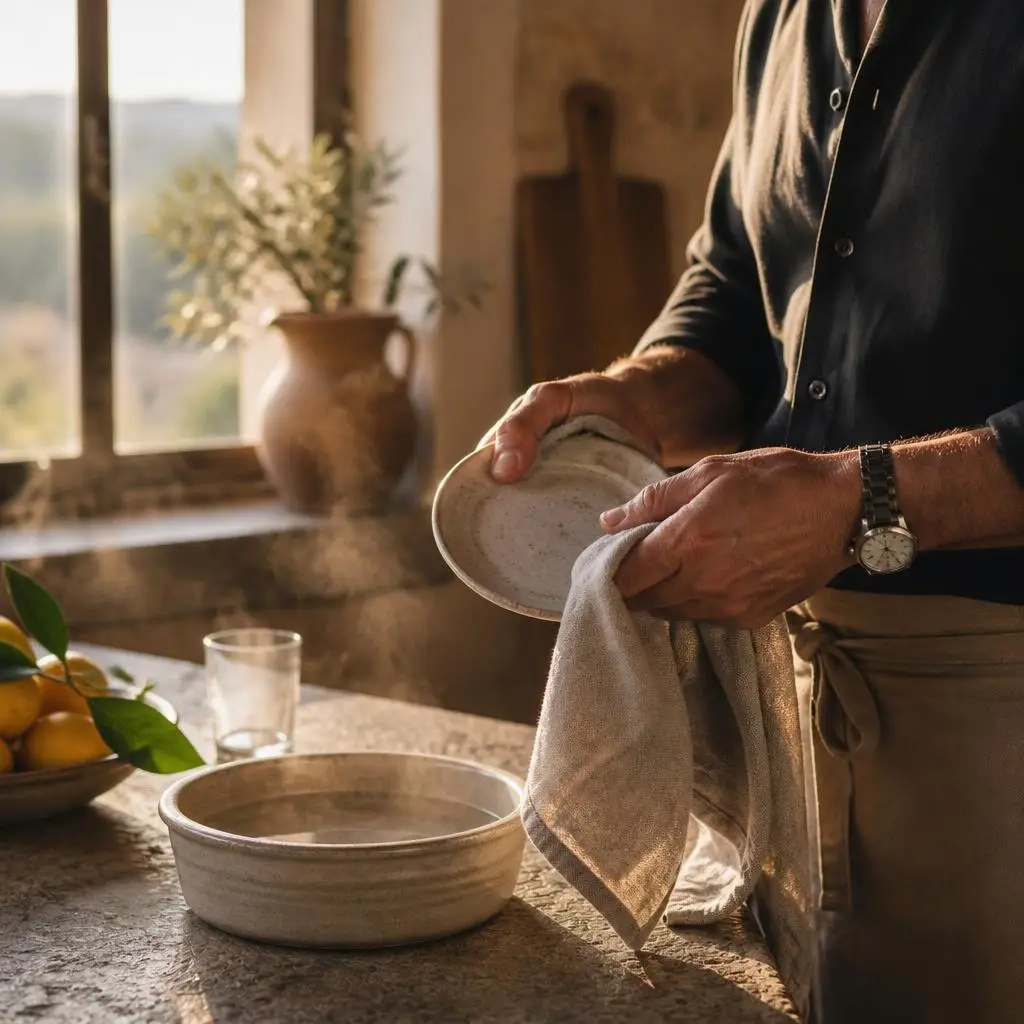 Warm a small plate with hot water and then dry it thoroughly.
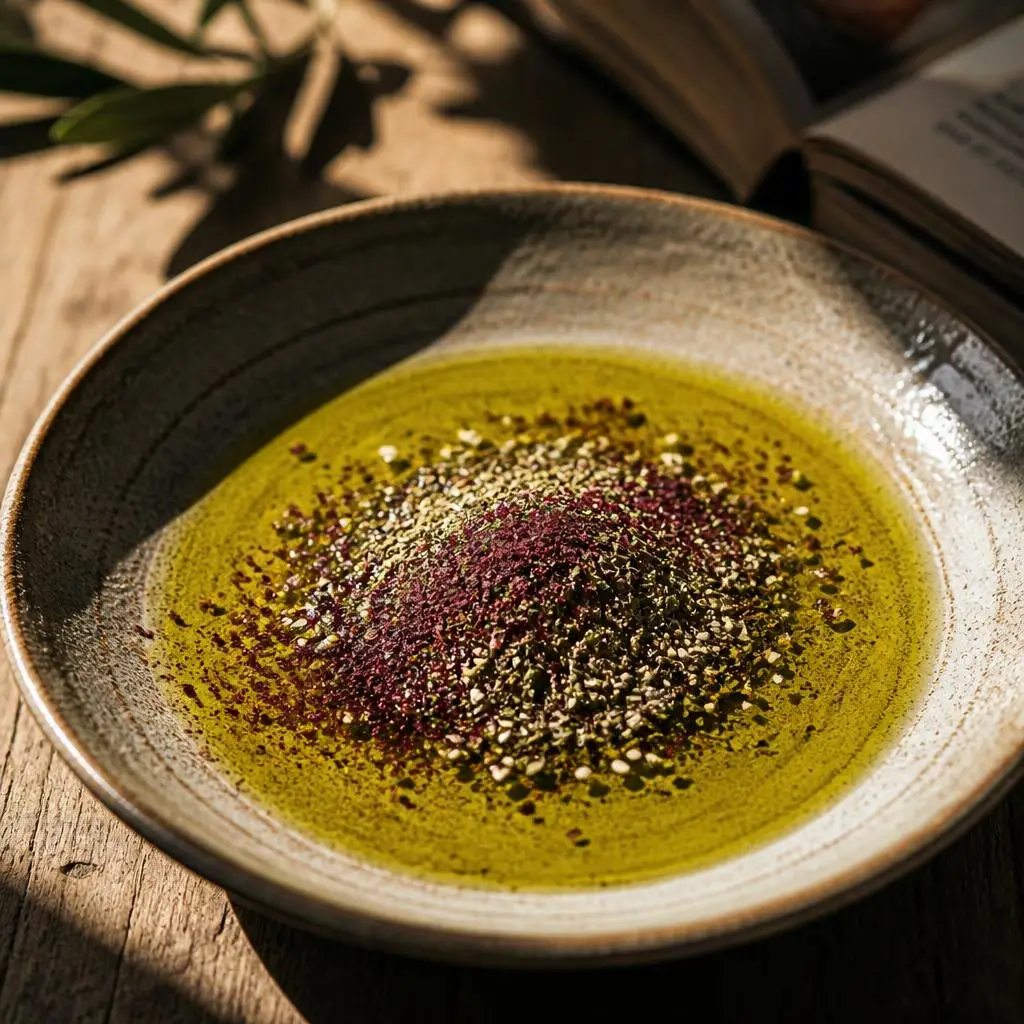 Pour the extra virgin olive oil into a shallow bowl. Add the za’atar blend to the center of the oil. Sprinkle the ground sumac on top without fully mixing.
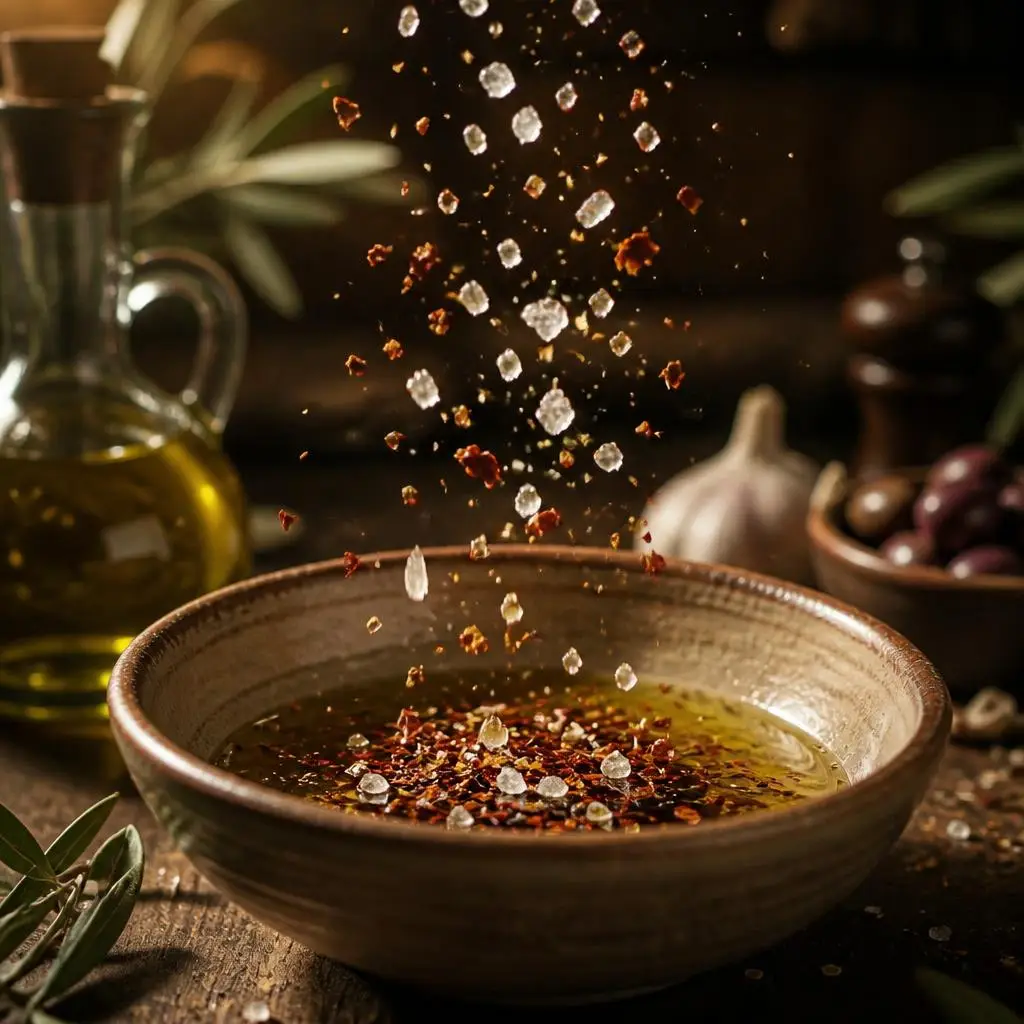 Add a pinch of flaky sea salt and the optional chili flakes to the bowl.
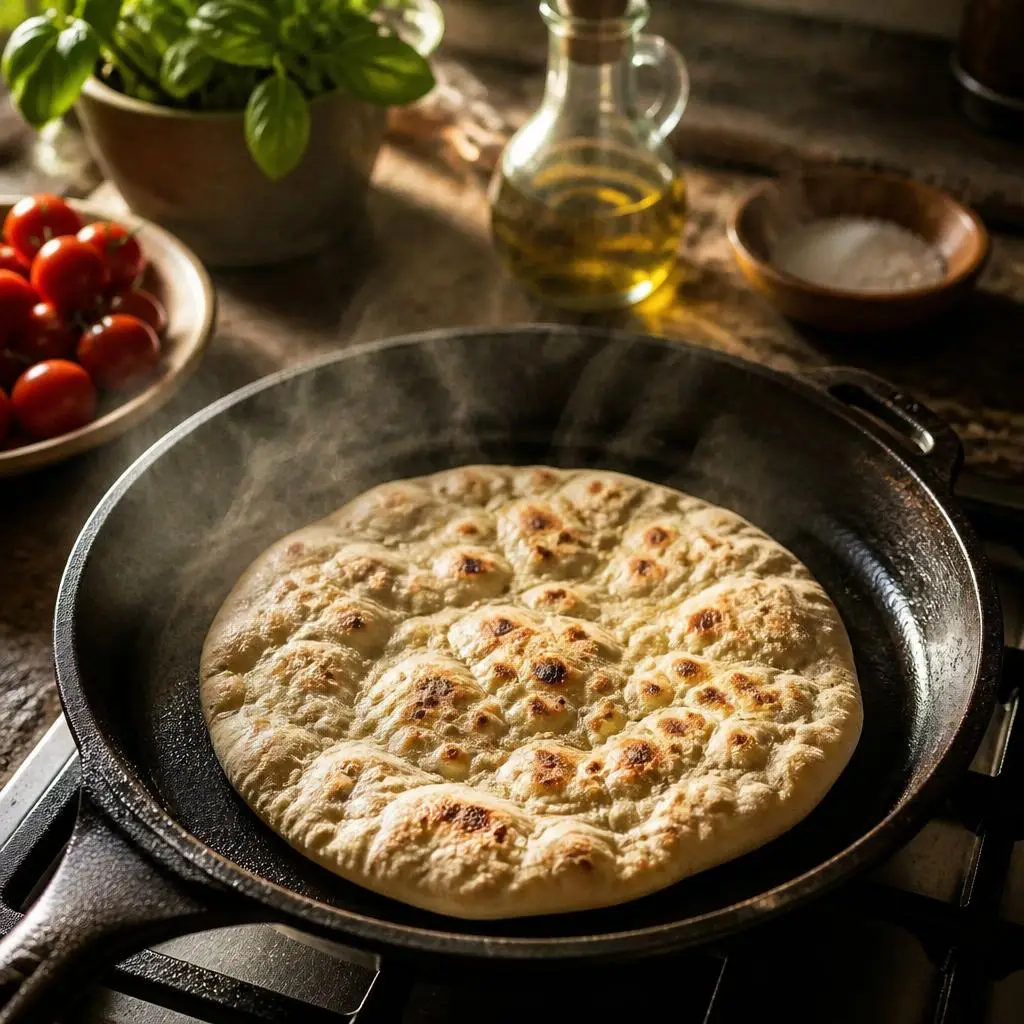 Warm the flatbread or pita in a dry pan until it becomes soft and steaming.
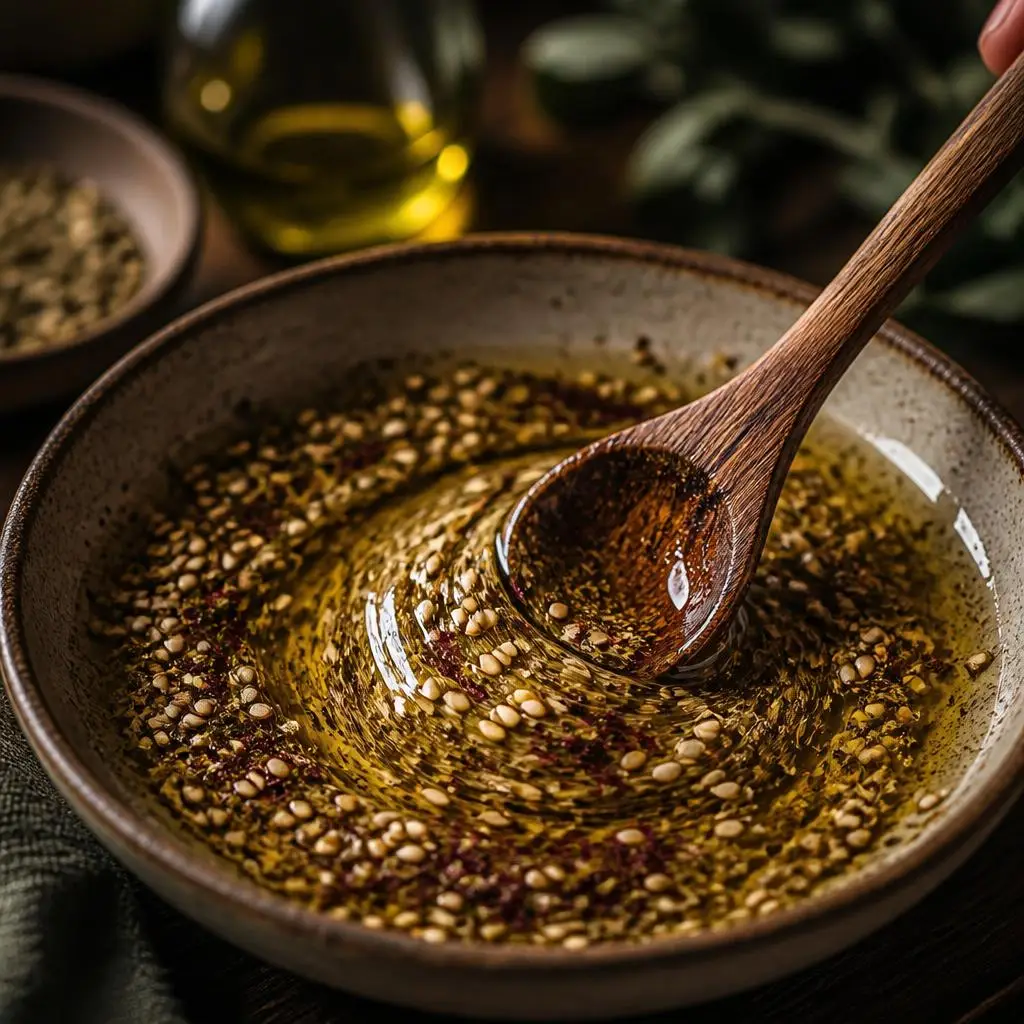 Stir the oil mixture slowly three times to slightly blend the flavors.
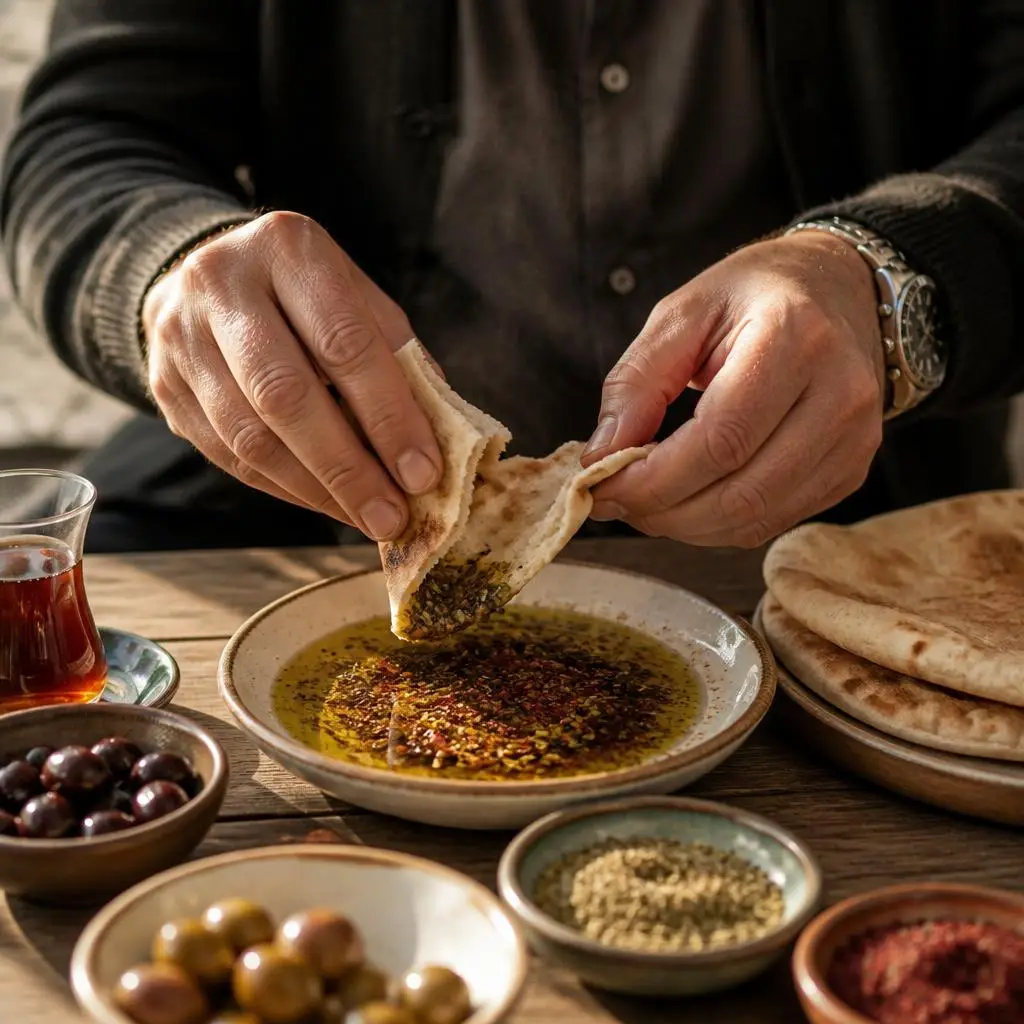 Tear the bread by hand and dip it into the oil. Smell the herbs before tasting.
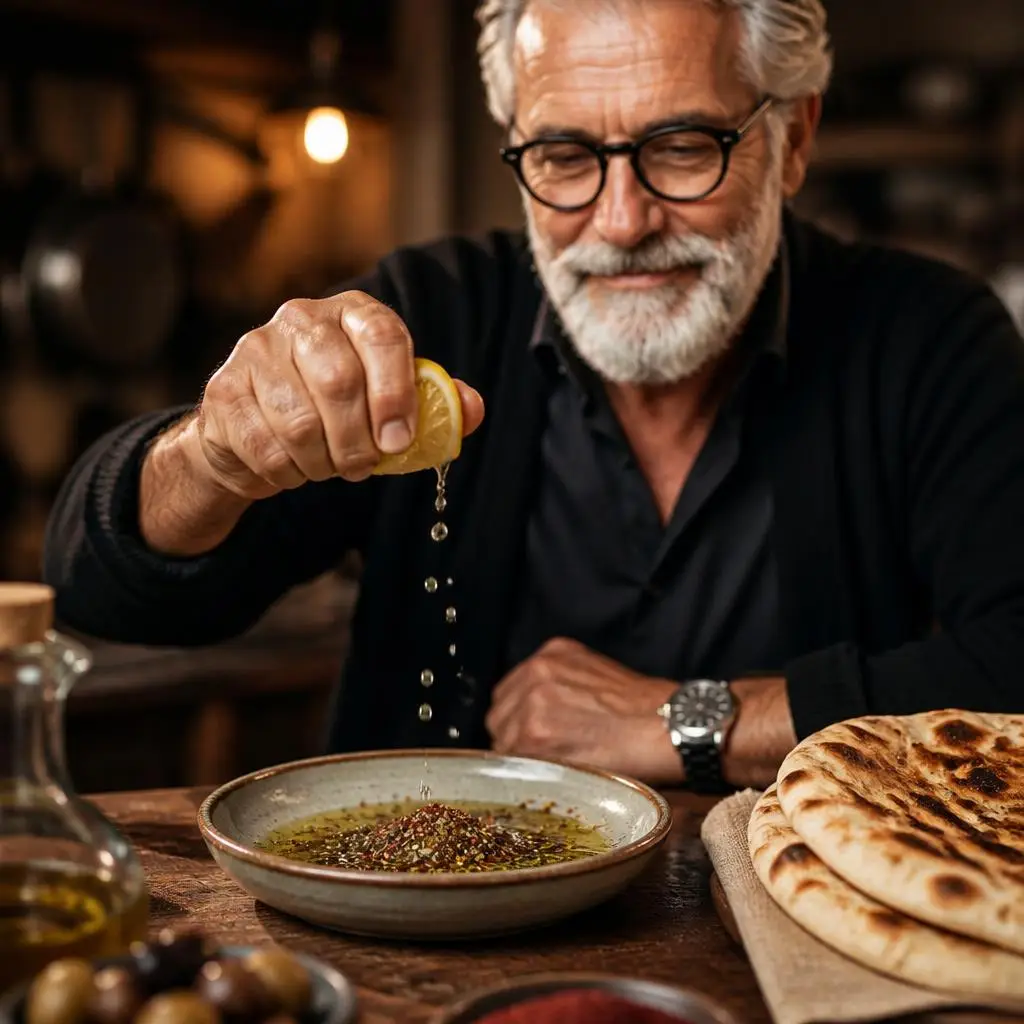 Squeeze a lemon wedge over the remaining oil for a brighter second round of dipping.