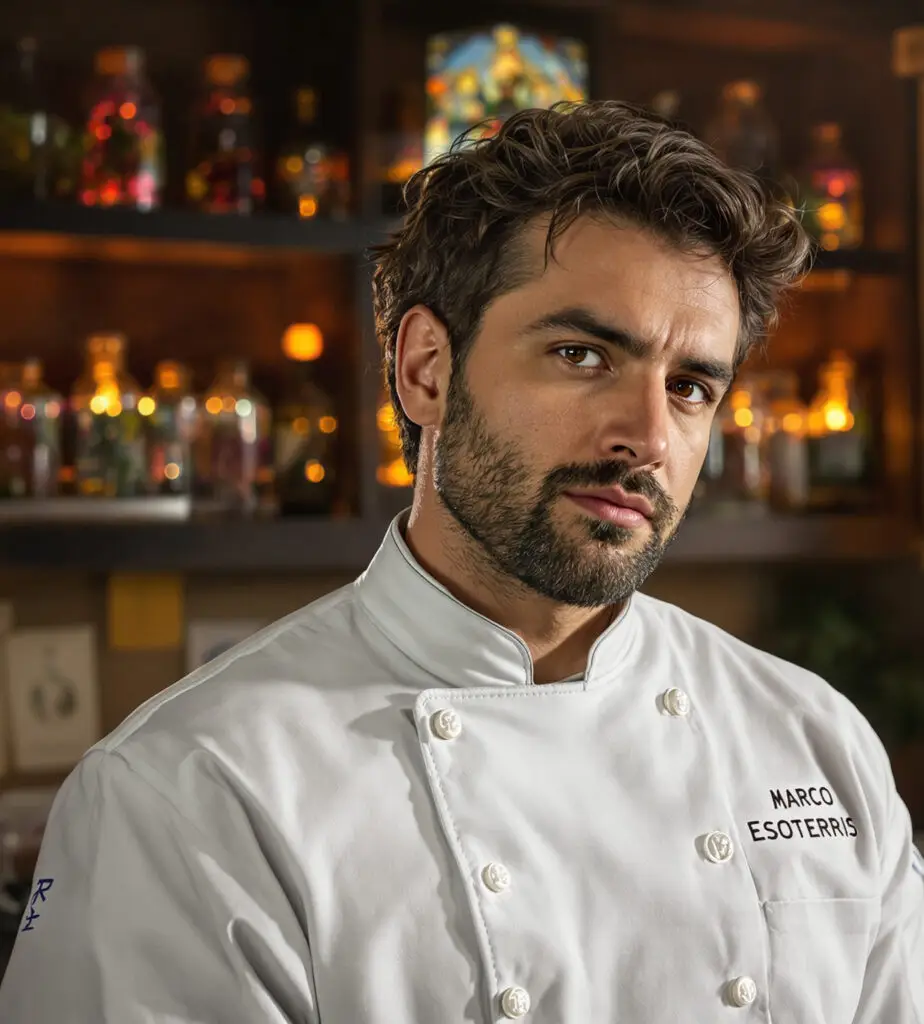
Marco Story, Before the Stew Began
Marco didn’t plan to cook that night.
The restaurant was quiet — the kind of quiet that arrives after a long service when the tables are cleared but the air still remembers voices. He stood at the stove staring at a bag of black-eyed peas someone had left behind after a supplier delivery. Humble ingredients. Nothing dramatic. This is the type of food that is often overlooked by most people.
He almost put them away.
Instead, he remembered an old conversation with a Greek woman he once met while traveling — not a chef, not a food critic, just someone who cooked every day as if it mattered. She had told him that on her island people didn’t chase health. They cooked slowly, talked longer than necessary, and let food do its quiet work.
“Longevity,” she had said, “is mostly patience.”
Marco rinsed the peas and listened to the sound of water hitting the metal bowl. Outside, the city moved fast. Inside, time slowed.
Onions softened first, releasing sweetness into the olive oil. Fennel followed, then garlic crushed, not chopped, because he wanted warmth, not sharpness. The scent changed the room. It felt less like cooking and more like restoring something that had been worn out.
He added tomatoes, watched the color deepen, and poured in water. The stew began to whisper, small bubbles breaking the surface like slow breathing.
The result was not restaurant food. No dramatic plating. No clever tricks.
Just vegetables, oil, herbs, and time.
Marco tasted the broth and understood something simple: food like this wasn’t designed to impress anyone. It was designed to keep people going through long winters, hard years, quiet recoveries, and ordinary evenings when you needed comfort more than excitement.
When the dill went in at the end, the kitchen filled with a green brightness that reminded him of open windows and distant seas. He added a final drizzle of olive oil, not for luxury, but because someone once taught him that good oil is a form of generosity.
He served himself a bowl and sat alone at the counter.
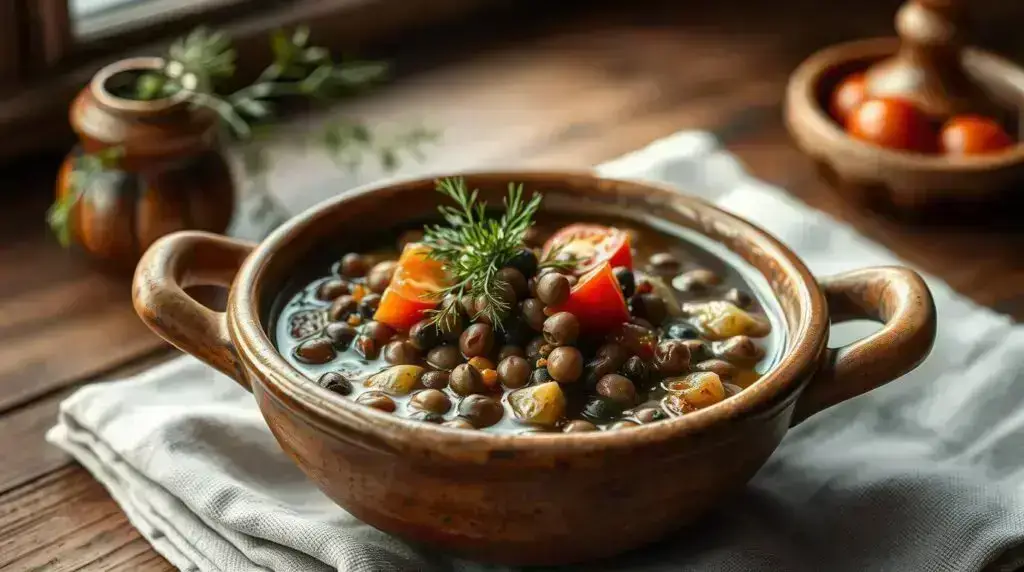
The stew was humble but alive with soft beans, sweet fennel, the gentle acidity of tomato, and herbs rising with the steam. It felt like food meant to last longer than the meal itself.
Marco smiled.
Some dishes are created to be remembered.
Others were created, so you can keep moving forward.
This one was the second kind.
Origins and Cultural Significance
Ikaria, a small Greek island in the Aegean Sea, is renowned for its remarkable population of centenarians. The island’s residents, known for their longevity and vibrant health, attribute their remarkable lifespans to a combination of a nutrient-rich diet, an active lifestyle, and strong community bonds. The Esoterris Refined Ikaria Longevity Stew draws inspiration from this unique island culture, showcasing local ingredients cherished for generations. In Ikaria, meals are often a communal affair, emphasizing the importance of sharing food and fostering connections among family and friends. This stew, deeply rooted in the island’s tradition, embodies the essence of communal dining, inviting you to gather around the table and savor each nourishing bite.
Unique Ingredients
At the heart of this stew lies the black-eyed pea, a legume revered not only for its protein content but also for its ability to absorb flavors beautifully. Soaked to enhance digestibility, these peas provide a creamy consistency that complements the stew’s other ingredients. The addition of high-quality extra-virgin olive oil, a staple in Mediterranean cuisine, elevates the dish, adding depth and richness. This oil, known for its health benefits, is drizzled generously over the finished stew, enhancing its flavor profile while promoting heart health.
The aromatic base of the stew consists of finely chopped red onion, garlic, and fennel, which together create a fragrant foundation. The sweet and slightly anise-like flavor of fennel is particularly noteworthy, as it adds a distinct character to the dish. Carrots and celery contribute natural sweetness and texture, while fresh tomatoes, both ripe and crushed, introduce acidity that balances the stew's richness. The incorporation of herbs like dill and oregano further enhances the overall taste, with dill offering a fresh, grassy note that brightens the dish.
Flavors and Techniques
The cooking techniques employed in this recipe reflect a deep respect for traditional methods while allowing for modern refinements. Sautéing the onion, garlic, and fennel in
olive oil releases their essential oils, creating an aromatic base that serves as a canvas for the other ingredients. The gentle simmering of the stew allows the flavors to meld beautifully, resulting in a comforting and cohesive dish. The use of bay leaves and smoked paprika, although optional, adds complexity and a subtle smokiness that elevates the stew to new heights.
As the stew cooks, the flavors intensify, creating a warm, inviting aroma that wafts through the kitchen. The vibrant green dill fronds, reserved for garnish, add visual appeal and provide a final burst of freshness that ties the dish together. A splash of lemon juice just before serving brightens the flavors, creating a well-rounded and satisfying experience.
Conclusion
The Esoterris Refined Ikaria Longevity Stew is much more than just a meal; it is a celebration of life, health, and the joy of sharing food with loved ones. Each ingredient is selected not only for its flavor but also for its contribution to wellness and longevity. This stew invites you to embrace the wisdom of the ages, reminding us that food can be both nourishing and delicious, a true testament to the culinary heritage of Ikaria. Indulging in this stew is like partaking in a tradition that honors the past while promoting a vibrant, healthy future—an experience that is both enriching and memorable.

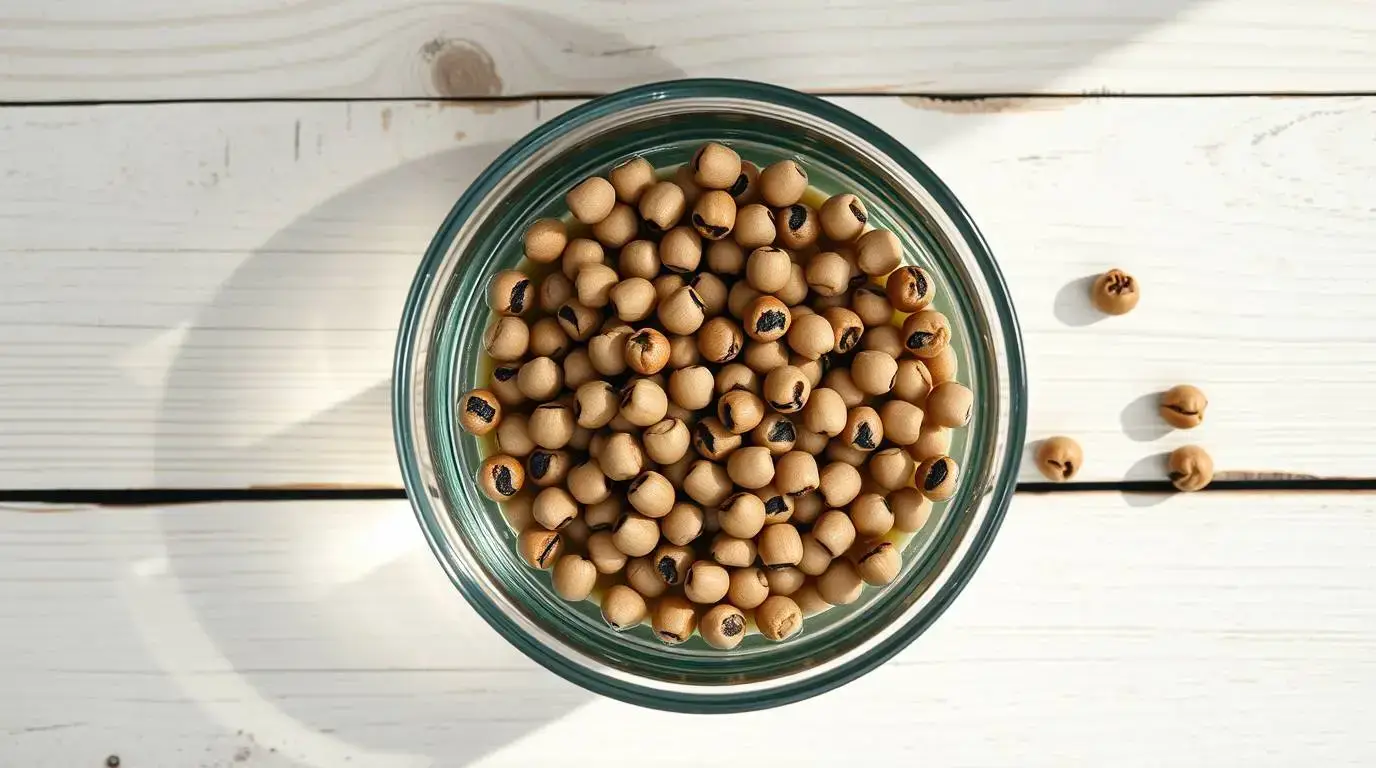 Rinse the dried black-eyed peas under cold running water. Place them in a bowl and cover with water, allowing them to soak for at least 6 hours or overnight. Drain and set aside before cooking.
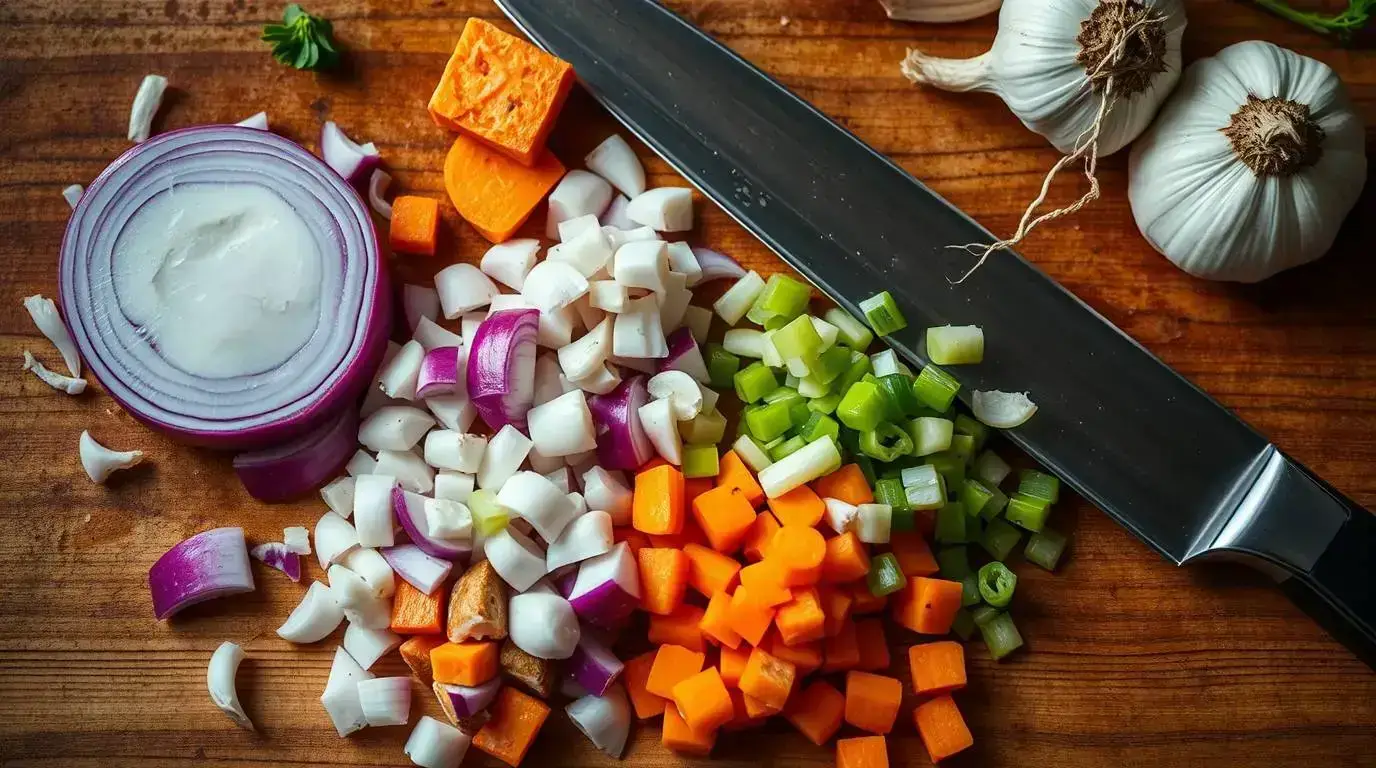 Finely chop the red onion, garlic cloves, fennel bulb, carrot, and celery stalk. Reserve the fronds from the fennel for garnish later.
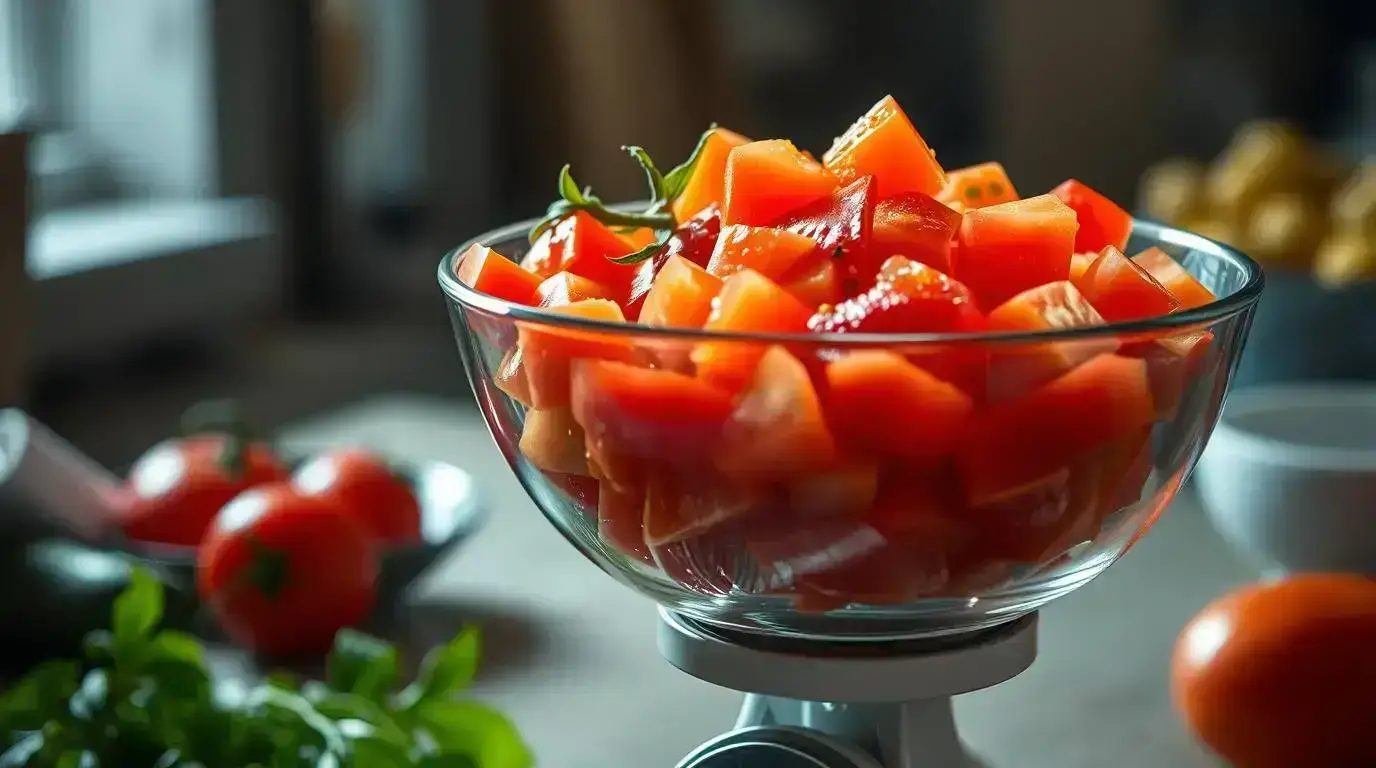 Chop the ripe tomato and mix it with the crushed San Marzano tomatoes and tomato paste dissolved in warm water.
 In a large pot, heat the extra-virgin olive oil over medium heat. Add the finely chopped red onion and sauté until translucent, about 5 minutes. Then add the lightly crushed garlic cloves and cook for another 1-2 minutes until fragrant.
 Add the chopped fennel, diced carrot, and diced celery to the pot. Stir in the bay leaves, dried oregano, and a pinch of smoked paprika if using. Cook for 5-7 minutes until the vegetables soften.
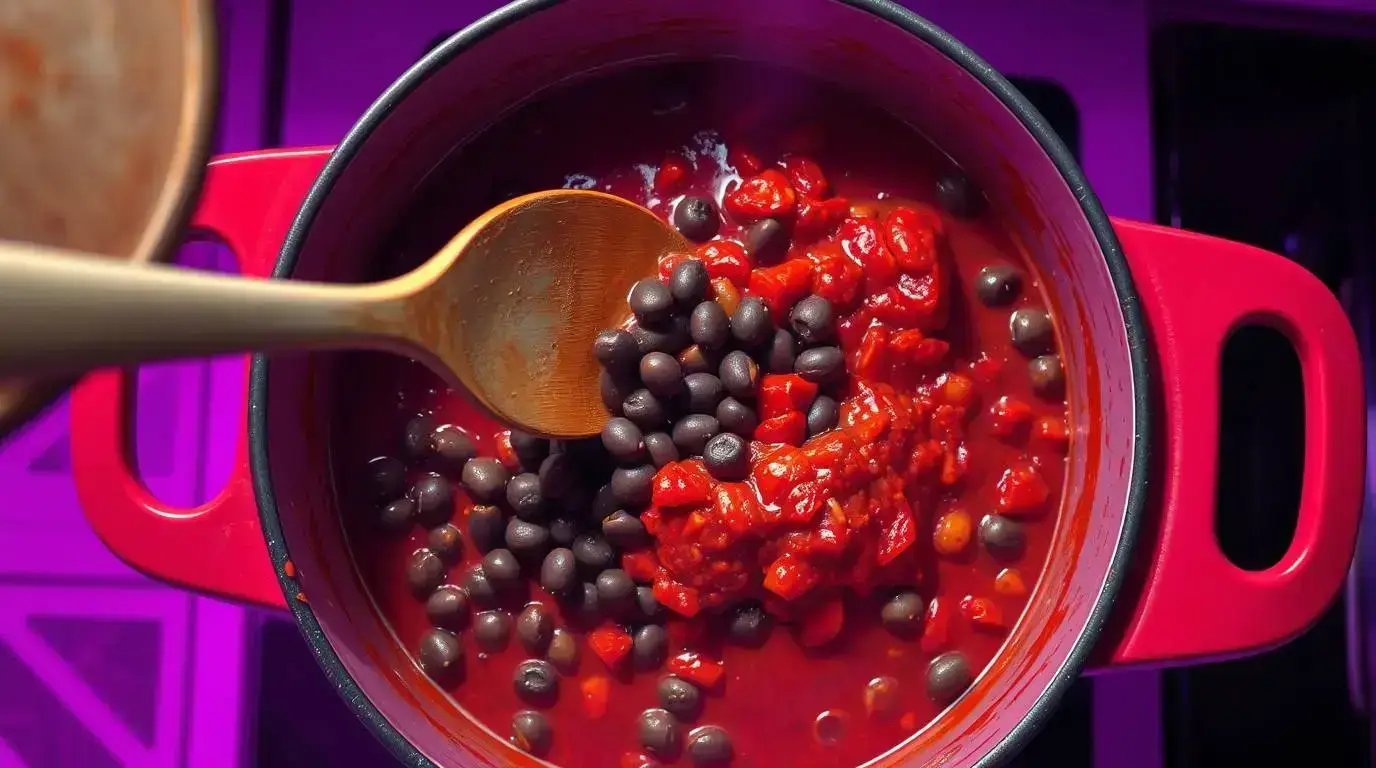 Stir in the chopped tomato mixture and the soaked black-eyed peas. Add enough water to cover the ingredients by about an inch. Bring to a boil.
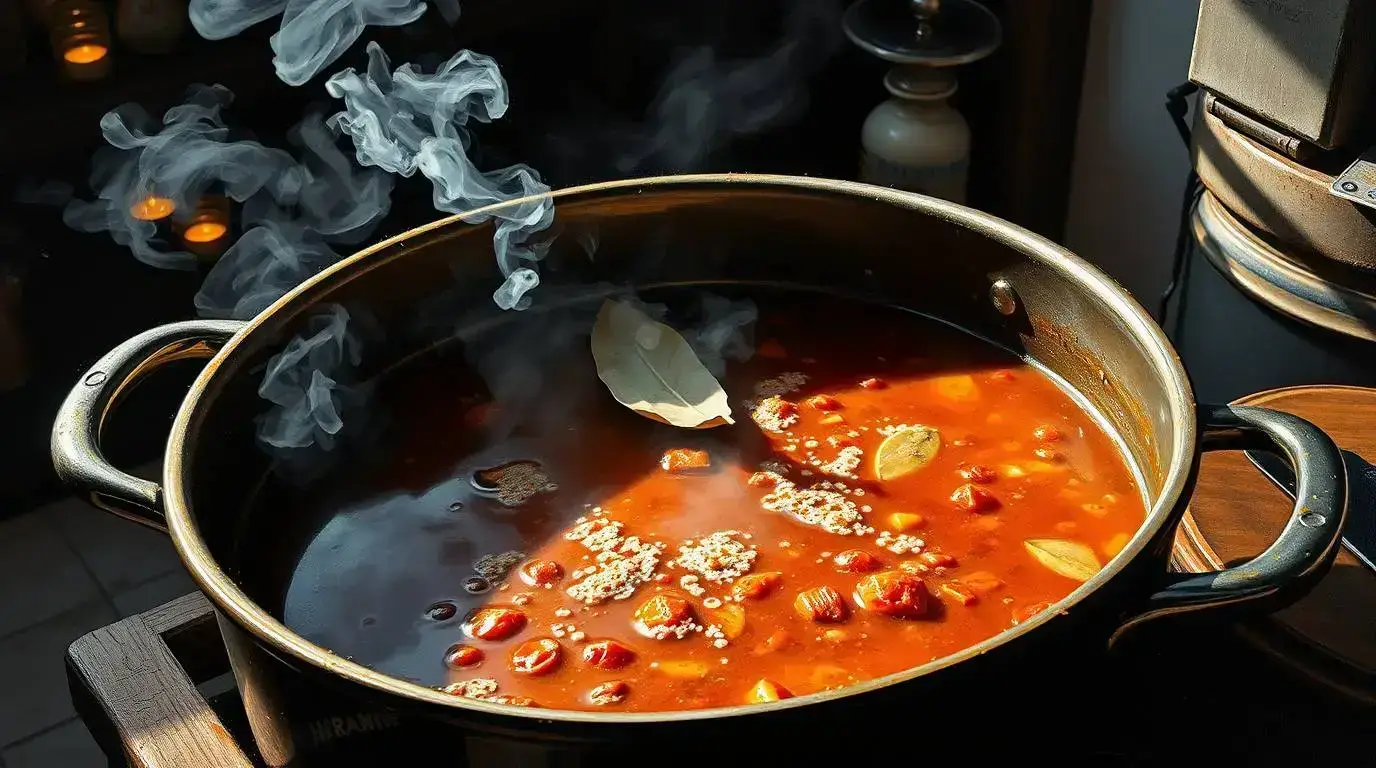 Once boiling, reduce the heat to low and let the stew simmer uncovered for 45-60 minutes, or until the peas are tender and the flavors meld together. Stir occasionally.
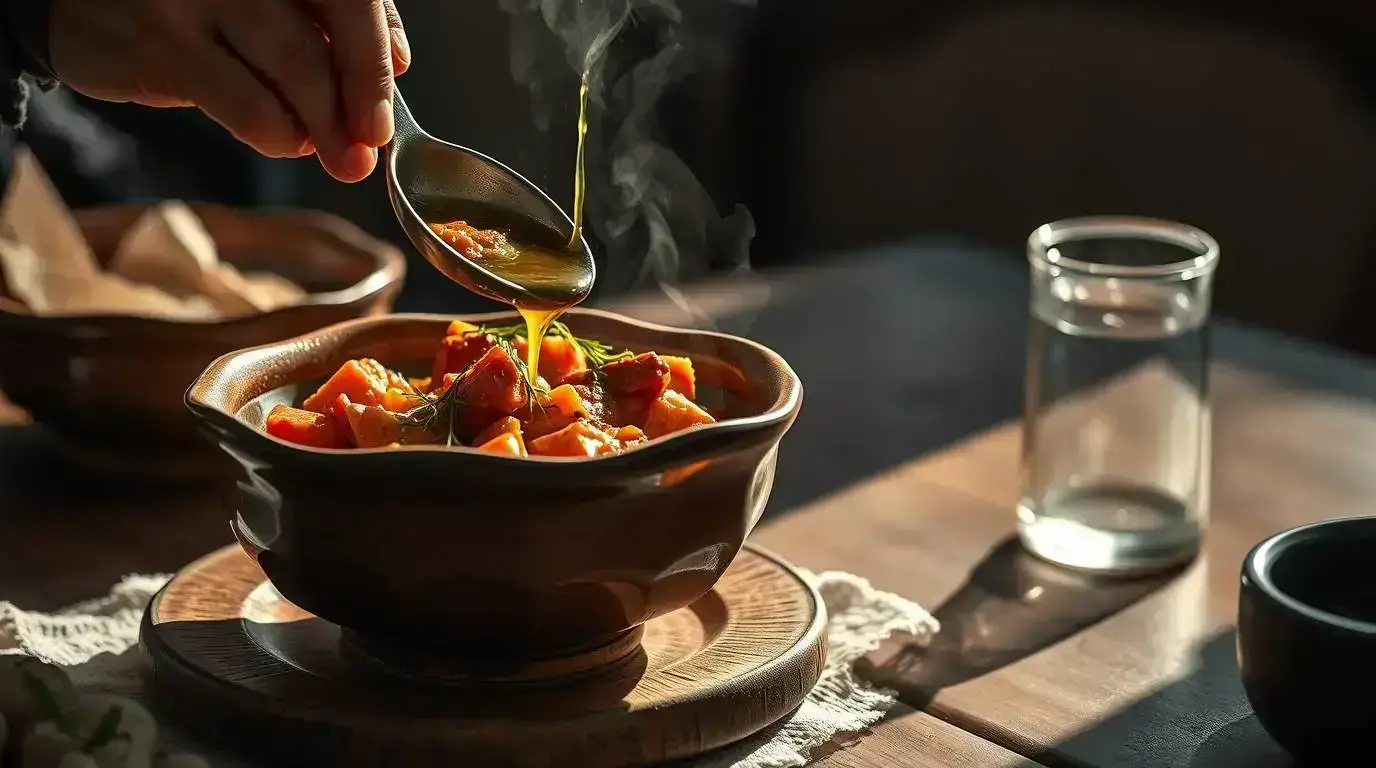 Once the peas are tender, remove the bay leaves and stir in freshly chopped dill and a squeeze of lemon juice to taste. Adjust seasoning with sea salt if desired. Serve hot, drizzling with extra virgin olive oil and garnishing with reserved fennel fronds.