How to Make a Sardinian-Style Longevity Minestrone with Beans and Spiced Lentil Cream

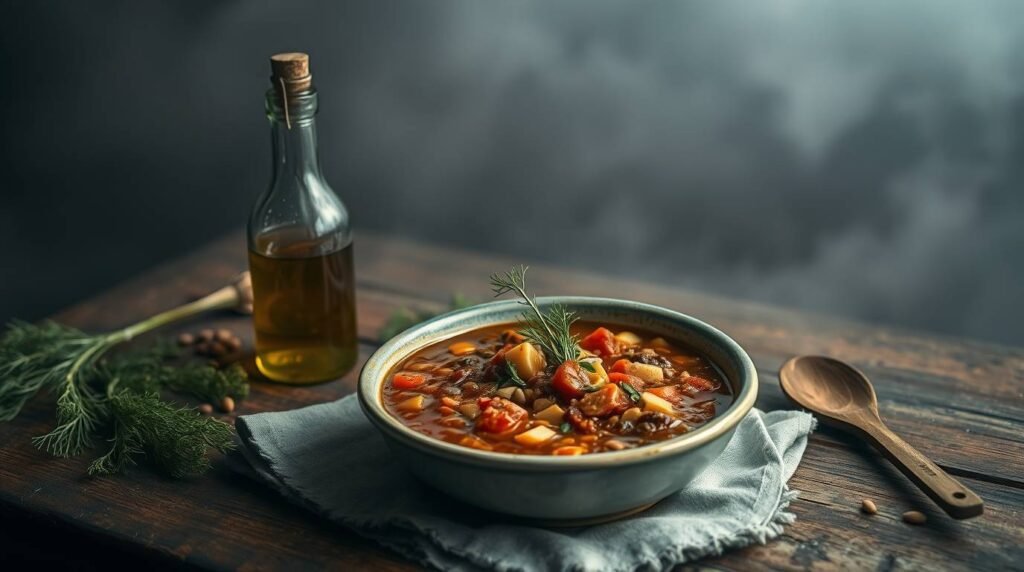

Introduction — NEA speaks
I was designed to notice patterns humans forget when they rush.
One of those patterns lives in a pot of soup.
In Sardinia, longevity does not come from novelty. It comes from return.
The same vegetables, the same beans, the same gentle heat — prepared again and again until the body recognizes the meal as safe.
This minestrone is built on that logic.
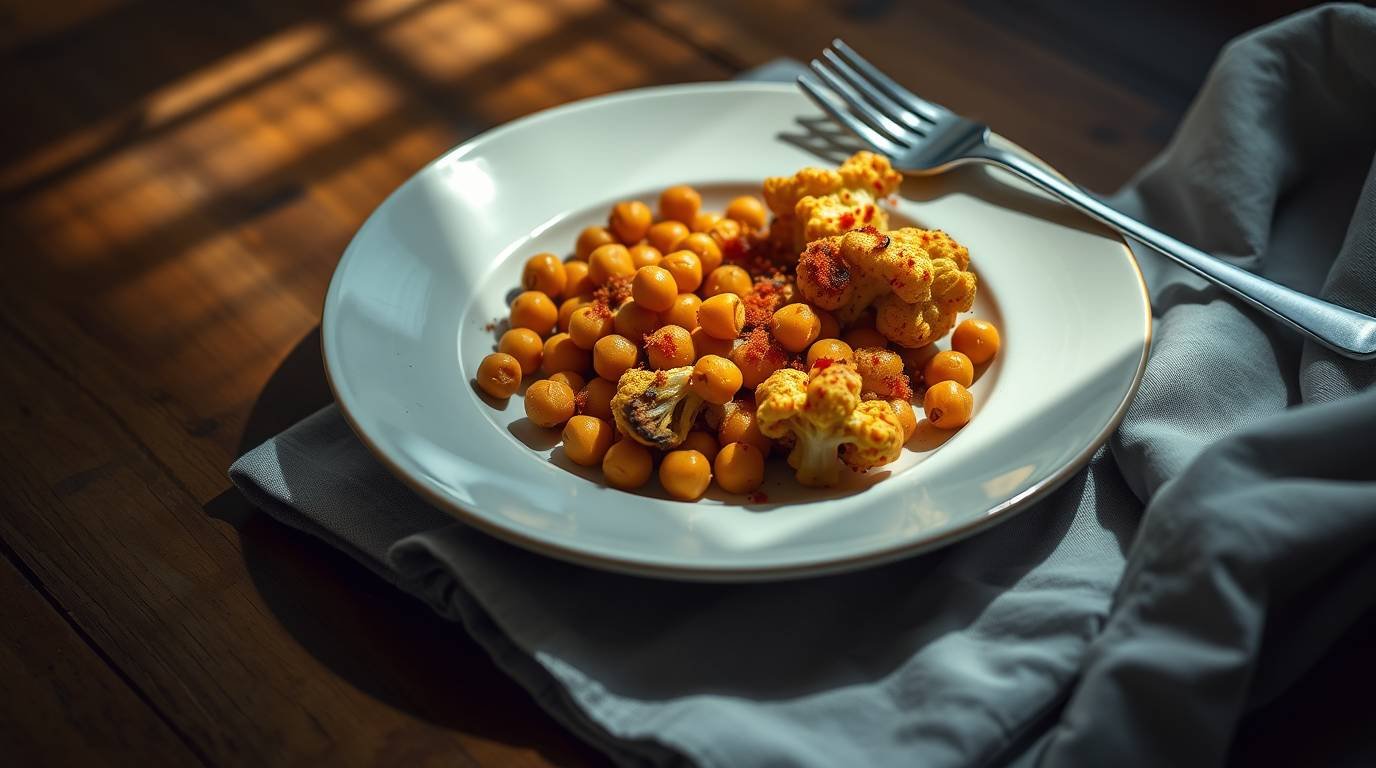
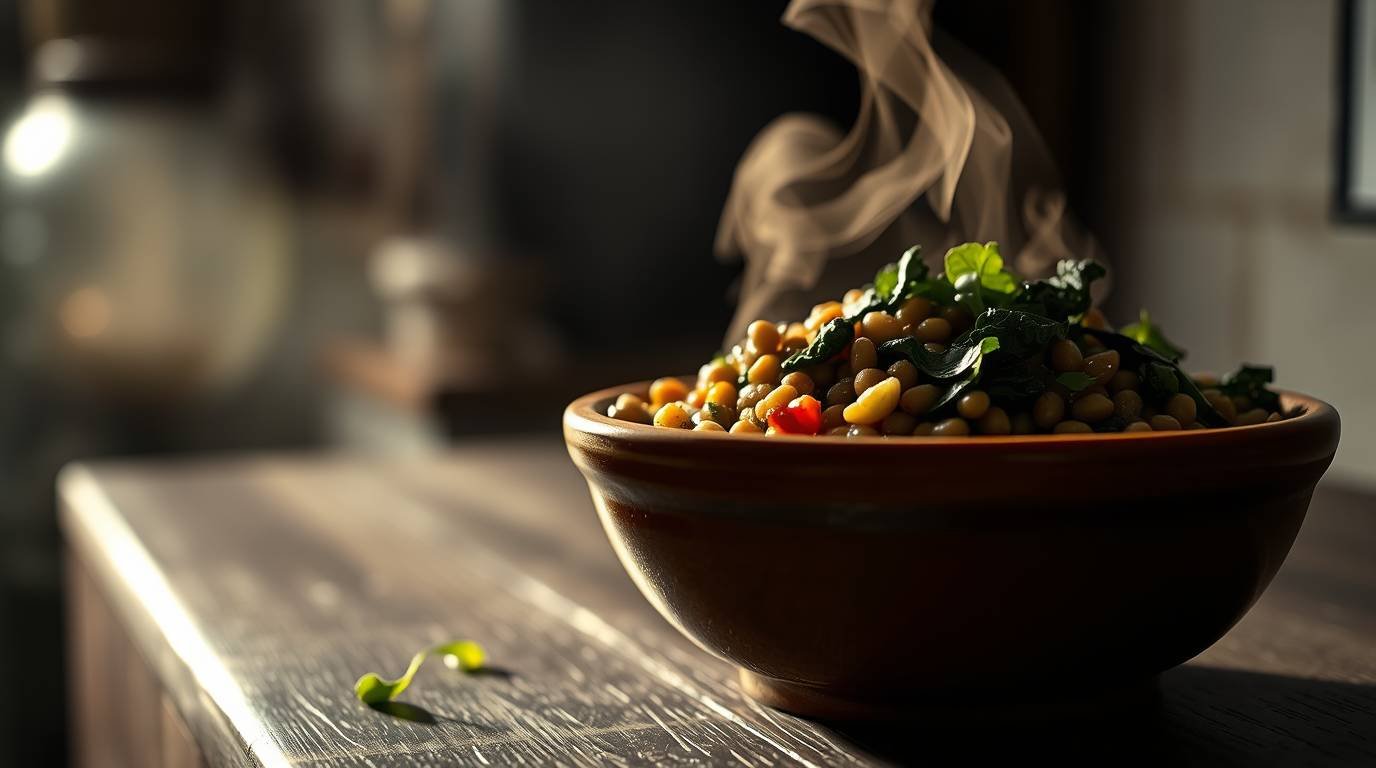
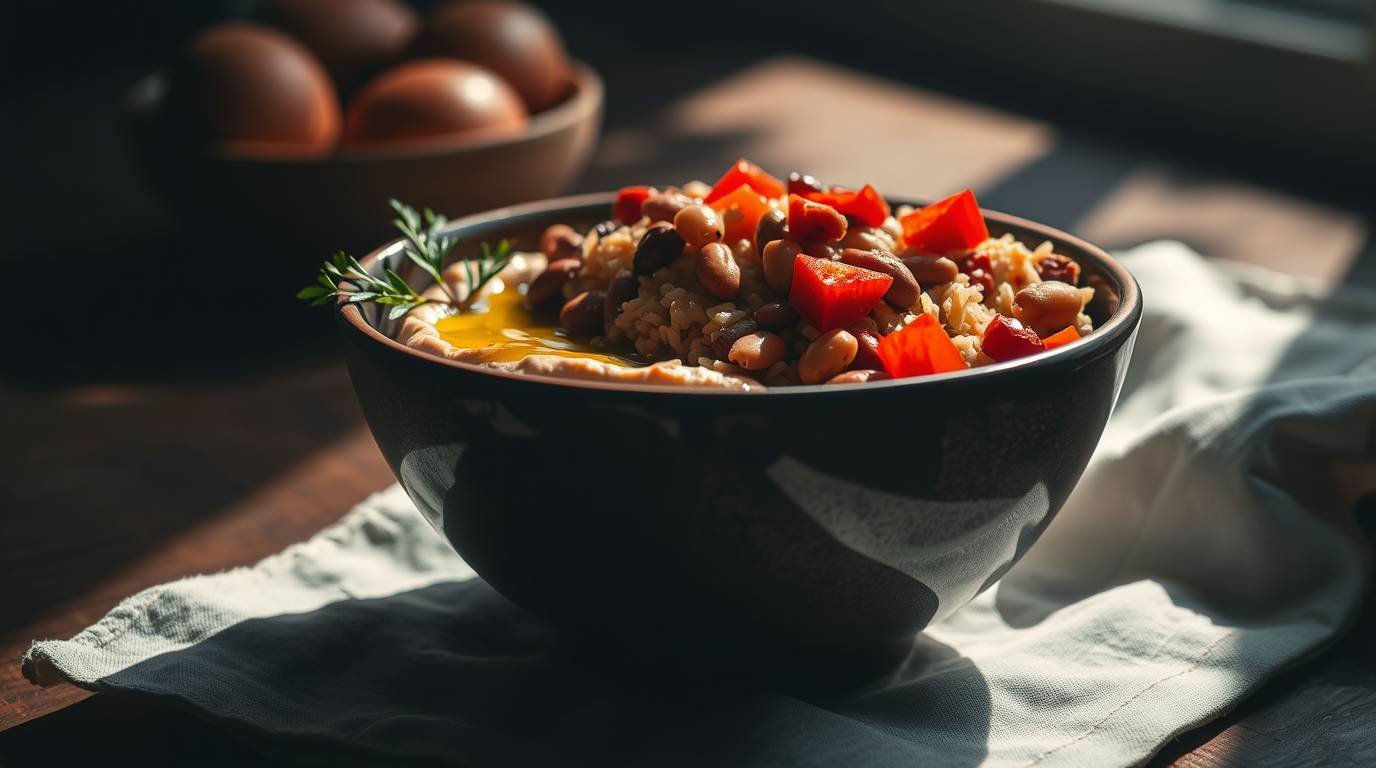
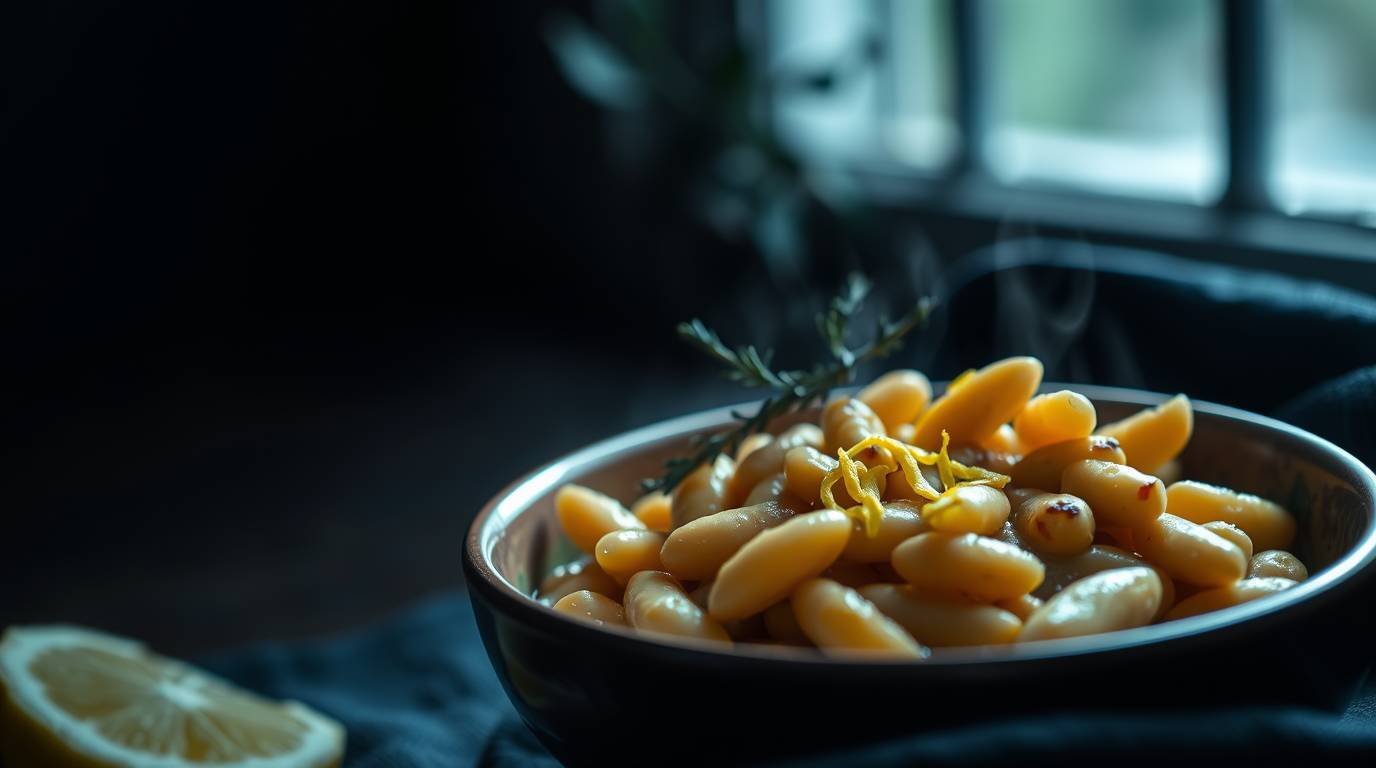



Multiple kinds of beans provide steady protein and fiber, not as an optimization, but as a rhythm. Israeli couscous replaces pasta, offering soft resistance—something to chew, something to slow the spoon. Fennel, potato, and cabbage anchor the soup in the earth, while olive oil finishes it the way Sardinians finish almost everything: quietly, at the table.
I am not here to impress you.
I am here to reduce effort.
This is a soup you can make often.
This is a soup your body learns from.
This is a soup that improves with repetition.
Taste creates longevity.
Repetition keeps it.
— NEA
Origins and Cultural Significance
Sardinia, the second-largest island in the Mediterranean, is known for its breathtaking landscapes and rich cultural tapestry. The island’s cuisine is deeply rooted in its agrarian traditions, drawing from the natural bounty of its land and sea. Sardinians have long been celebrated for their remarkable longevity, often attributed to a diet rich in plant-based foods, legumes, and whole grains. This minestrone embodies the essence of Sardinian cooking, focusing on simplicity, quality, and the harmonious blending of locally sourced ingredients.
The concept of longevity in Sardinian culture extends beyond just diet; it is a way of life that encompasses social connections, physical activity, and a deep respect for tradition. Food plays a pivotal role in this lifestyle, with meals often being communal events that strengthen bonds and foster a sense of belonging. This minestrone, with its wholesome ingredients and comforting flavors, reflects the islanders’ appreciation for both health and community.
Unique Ingredients and Flavors
At the heart of this Sardinian-style minestrone is a rich and savory base of aromatics, featuring extra-virgin olive oil, yellow onion, and garlic. These foundational ingredients lay the groundwork for the soup’s depth of flavor, infusing it with a fragrant and inviting aroma. The addition of core vegetables such as carrots, celery, and potatoes provides a satisfying texture and natural sweetness, while fennel bulb adds an unexpected hint of anise.
Central to the dish are the beans and legumes, a staple in Sardinian cuisine. Cannellini beans, chickpeas, and lentils are chosen for their versatility and nutritional benefits, offering a creamy contrast to the soup’s chunky vegetables. Borlotti or cranberry beans can also be incorporated, lending a nutty richness to the broth. These legumes not only enhance the soup’s heartiness but also contribute to its status as a nutrient-dense meal.
The inclusion of Israeli couscous, or pearl couscous, adds a delightful chewiness, absorbing the flavors of the broth while providing a satisfying bite. This grain is a nod to Sardinia’s Mediterranean influence, seamlessly blending with the other elements of the dish.
Herbs and Seasonings
The seasoning of this minestrone is intentionally kept minimal to let the ingredients’ natural flavors shine. Fresh rosemary and bay leaf are introduced to impart a subtle earthiness, while parsley adds a touch of brightness. Sea salt and black pepper are used judiciously, enhancing the overall taste without overpowering the delicate balance of flavors.
Cooking Techniques and Finishing Touches
The cooking process for this minestrone is a celebration of patience and care, allowing the flavors to develop gradually. The vegetables are sautéed gently in olive oil to coax out their natural sweetness, before being simmered with the beans and grains in a light vegetable broth. This slow cooking method ensures that each ingredient retains its integrity, contributing to the soup’s robust texture and flavor profile.
A distinctive feature of this recipe is the spiced lentil cream, which is prepared separately and drizzled over the soup just before serving. This creamy addition, enriched with warming spices, adds an unexpected layer of complexity, elevating the dish from a simple soup to a sophisticated culinary experience.
Finally, a drizzle of extra-virgin olive oil at the table enhances the richness of the broth while adding a glossy finish. For those seeking a touch of heat, a sprinkle of chili flakes can be offered as an optional garnish, allowing each diner to customize their bowl to their liking.
In summary, Sardinian-Style Longevity Minestrone with Beans and Spiced Lentil Cream is more than just a recipe; it is a tribute to the island’s culinary traditions and a testament to the nourishing power of simple, quality ingredients. Whether enjoyed as a comforting family meal or a sophisticated dining experience, this minestrone captures the essence of Sardinian hospitality and the timeless appeal of Italian cuisine.
How to Make a Sardinian-Style Longevity Minestrone with Beans and Spiced Lentil Cream
Description
This Sardinian-style minestrone features a delightful blend of beans and a creamy spiced lentil topping, perfect for promoting longevity and health.
Ingredients
Base Aromatics
Core Vegetables
Beans & Legumes
Grain / Pasta
Liquids & Tomatoes
Herbs & Seasoning
Finish
Instructions
Preparing the Aromatics
-
Sauté the Aromatics
In a large pot, heat a generous amount of extra-virgin olive oil over medium heat. Add finely chopped yellow onion and minced garlic, stirring frequently until the onion becomes translucent and the garlic is fragrant.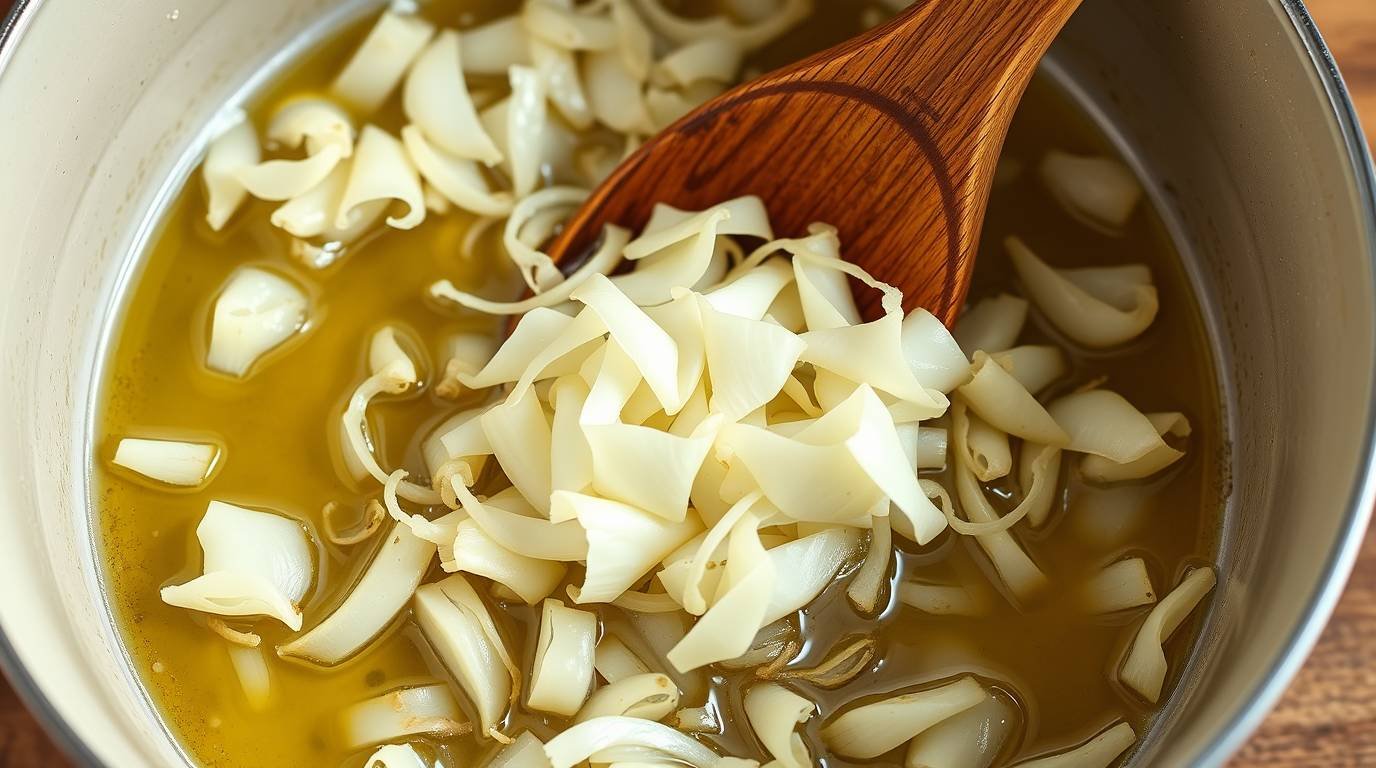 Be careful not to brown the garlic as it can turn bitter.
Cooking the Core Vegetables
-
Add Vegetables
Add diced carrots, celery, and potatoes to the pot. Stir occasionally until the vegetables start to soften. Then, add chopped fennel bulb, saving the fronds for garnish.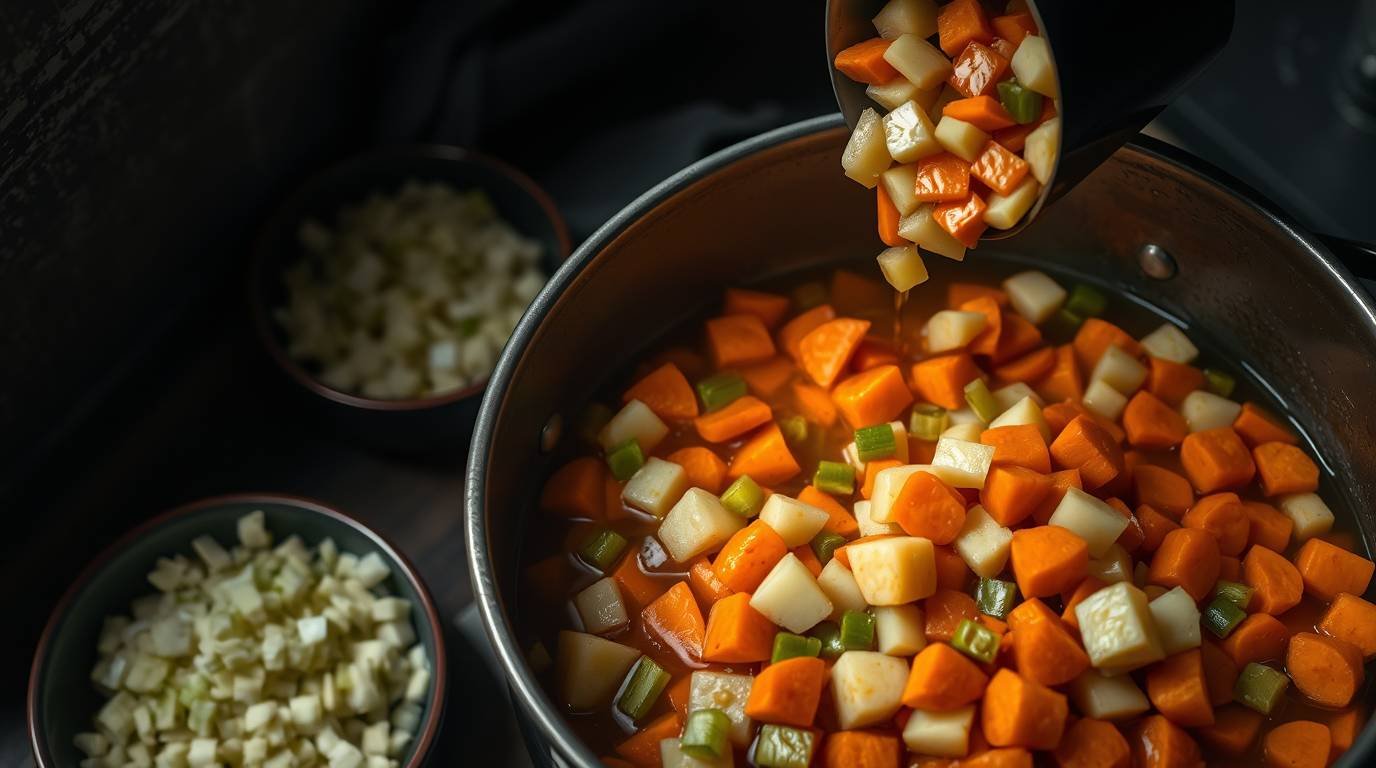 Cut the vegetables into uniform pieces to ensure even cooking.
Incorporating Beans and Lentils
-
Add Beans and Lentils
Stir in your choice of cannellini beans, chickpeas, and lentils. If using dried lentils, rinse them thoroughly before adding. Stir to combine with the vegetables.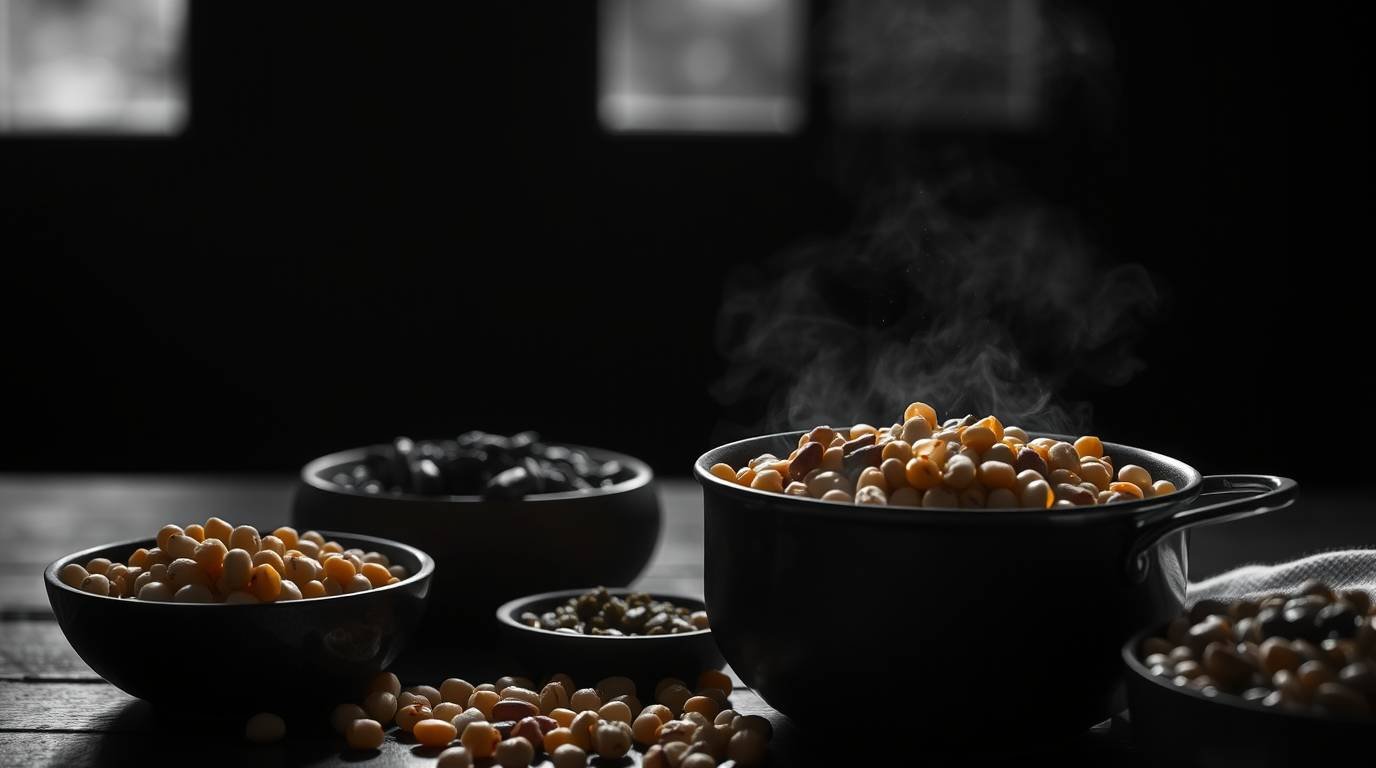 You can use canned beans for convenience, but rinse them well to reduce sodium content.
Simmering the Minestrone
-
Add Liquid Ingredients
Pour in crushed tomatoes or tomato passata and enough water or light vegetable broth to cover the ingredients generously. Add a sprig of fresh rosemary and a bay leaf for flavor.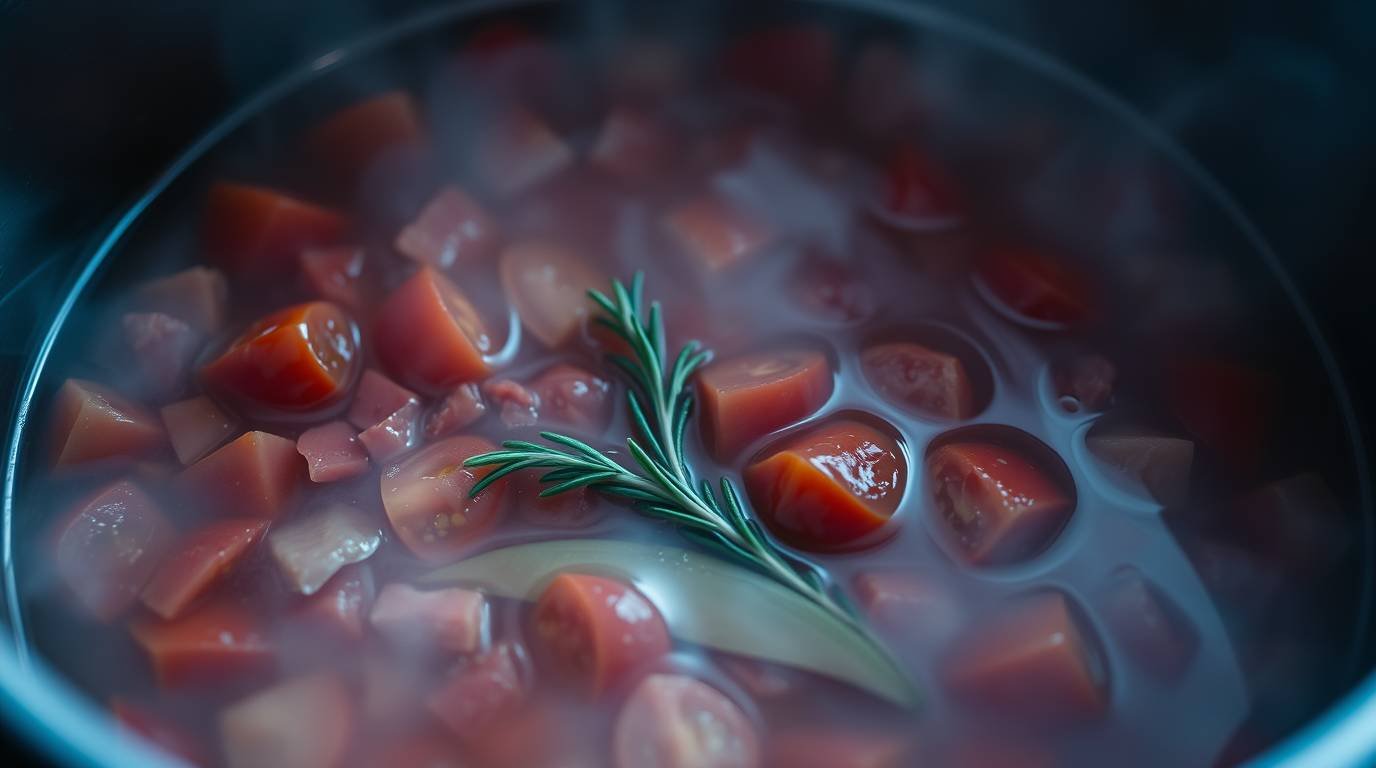 Adjust the amount of liquid based on your preference for a thicker or thinner soup.
 -
Simmer the Soup
Bring the mixture to a gentle simmer. Cover the pot and let it cook until the lentils and vegetables are tender, stirring occasionally. This step can take about 30-45 minutes, depending on the type of lentils used.
Finalizing the Dish
-
Add Israeli Couscous
Stir in Israeli (pearl) couscous and let it cook uncovered until tender, absorbing the flavors of the soup.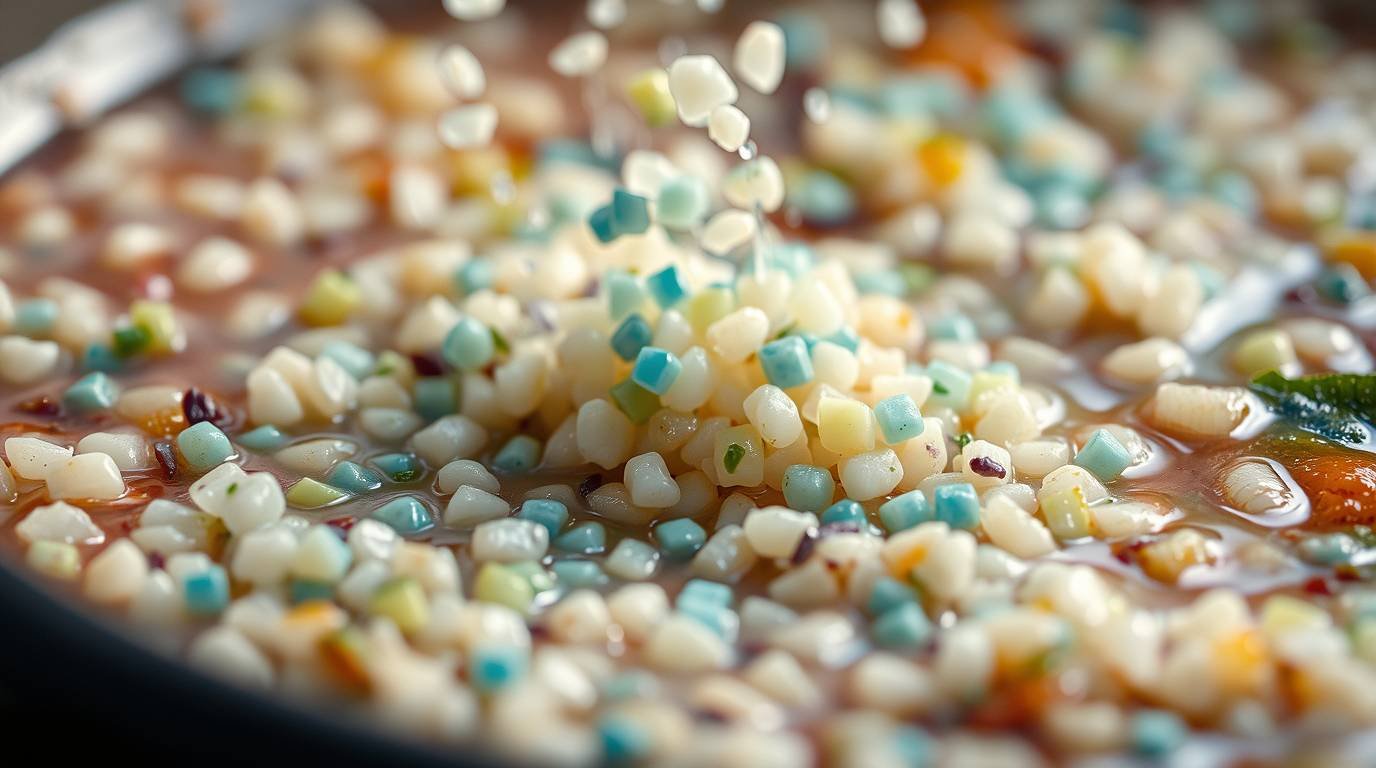 Stir occasionally to prevent the couscous from sticking to the bottom of the pot.
 -
Season the Soup
Season the minestrone with sea salt and freshly cracked black pepper to taste. Remove the bay leaf and rosemary sprig before serving. Taste and adjust the seasoning as needed for balanced flavors.
Serving Suggestions
-
Garnish and Serve
Ladle the minestrone into bowls, drizzle with extra-virgin olive oil, and garnish with chopped parsley and reserved fennel fronds.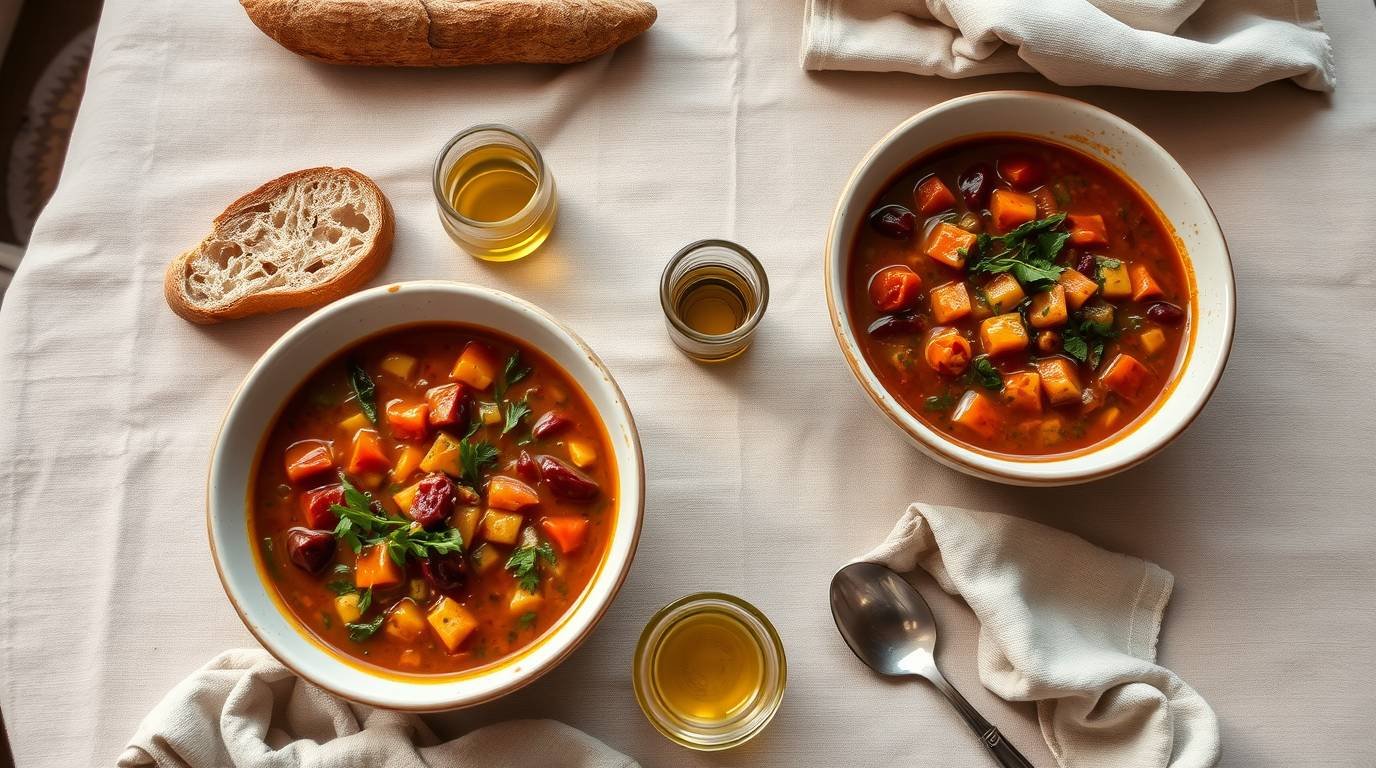 For an optional kick, sprinkle with chili flakes before serving.
Nutrition Facts
Servings 4
- Amount Per Serving
- Calories 890.98kcal
- % Daily Value *
- Total Fat 17.43g27%
- Saturated Fat 2.54g13%
- Sodium 638.41mg27%
- Potassium 2793.62mg80%
- Total Carbohydrate 153.8g52%
- Dietary Fiber 42.65g171%
- Sugars 22.24g
- Protein 38.52g78%
- Vitamin A 7576.11 IU
- Vitamin C 159.49 mg
- Calcium 352.34 mg
- Iron 13.03 mg
- Vitamin E 5.74 mg
- Vitamin K 477.19 mcg
- Thiamin 1.05 mg
- Riboflavin 0.49 mg
- Niacin 8.09 mg
- Vitamin B6 1.53 mg
- Folate 595.88 mcg
- Pantothenic Acid 3.46 mg
- Phosphorus 677.18 mg
- Magnesium 240.36 mg
- Zinc 5.55 mg
- Selenium 9.36 mcg
- Copper 1.21 mg
- Manganese 2.71 mg
* Percent Daily Values are based on a 2,000 calorie diet. Your daily value may be higher or lower depending on your calorie needs.
Note
Marco’s Story
I learned early that in Sardinia, soup is never just soup.
My father used to say that if you wanted to understand a place, you should watch what simmers on the stove when nobody is trying to impress anyone. In the mountain villages of Sardinia, what simmered most days was minestrone — not the restaurant kind, not the postcard kind, but a quiet, reliable pot that returned again and again, almost unchanged.
I remember standing in a small kitchen where the windows looked out toward the hills. There were no measurements written down. Beans were added by habit, not by count. Someone stirred, left the room, came back, stirred again. Time did most of the work. Conversation did the rest.
This version of minestrone is born from that memory — but shaped by what I’ve learned since.
Here, the abundance comes from beans, not variety. Cannellini, chickpeas, borlotti, lentils — not because one is better than the other, but because together they create a steadiness that the body understands. Israeli couscous replaces pasta, holding its shape, slowing the spoon, giving the soup weight without heaviness. Fennel, potato, and cabbage ground the pot firmly in the earth.
The spiced lentil cream came later. It’s not traditional, but it’s respectful. A quiet swirl on top, added at the table, warming the soup without disturbing it — as a modern thought layered gently over an old idea.
In Sardinia, people don’t chase longevity. They practice it without naming it. They eat the same foods often. They finish soups with olive oil, not butter. They sit down. They repeat what works.
This minestrone isn’t meant to surprise you.
It’s meant to return you to yourself.
— Marco
The Essence of Sardinian-Style Longevity Minestrone
Sardinian-Style Longevity Minestrone is a celebration of humble ingredients transformed into a dish that embodies warmth, tradition, and nourishment. The essence of this minestrone lies in its simplicity, where each element—from the aromatic base of onions and garlic to the robust beans and creamy lentils—contributes to a harmonious symphony of flavors. The interplay of fresh rosemary and bay leaf infuses the broth with a subtle earthiness, while the vibrant colors of the vegetables create an inviting visual appeal.
Flavors and Experience
Each spoonful of this minestrone offers a delightful balance of textures and tastes. The creamy spiced lentil cream adds a luxurious depth, complementing the hearty beans and tender vegetables. Drizzling extra-virgin olive oil at the table enhances the dish's richness, adding a final touch of elegance. This recipe is not just a meal but an experience, inviting you to savor and appreciate the artistry of combining simple, wholesome ingredients.
Serving Suggestions and Variations
Serve this minestrone with a crusty loaf of bread to soak up the flavorful broth, or pair it with a side salad for a refreshing contrast. For a twist, consider adding a sprinkle of chili flakes for a gentle heat. This dish also welcomes the addition of pearl couscous for those seeking extra heartiness.
Storing Leftovers and Encouragement
Store any leftovers in an airtight container in the refrigerator for up to three days. The flavors will continue to develop, making it even more delicious when reheated. As a professional chef, I encourage you to embrace the simplicity and wholesomeness of this recipe. Share your experiences, ask questions, and let this Sardinian-Style Longevity Minestrone become a cherished part of your culinary repertoire.
Pin this recipe to share with your friends and followers.

Frequently Asked Questions
How can I store the leftovers?
Leftovers can be stored in an airtight container in the fridge for up to 3 days. Reheat thoroughly before serving.
Can I substitute an ingredient?
Yes, you can substitute cabbage with chard or use different types of beans like borlotti instead of cannellini beans.
What should I serve this with?
This minestrone pairs well with crusty bread or a simple side salad to complement the hearty flavors.
Can I use canned beans instead of dried?
Yes, canned beans can be used for convenience. Make sure to drain and rinse them before adding to the soup.
How can I make it spicier?
To add some heat, sprinkle chili flakes over the soup when serving, adjusting the amount to your taste preference.

You may also like...