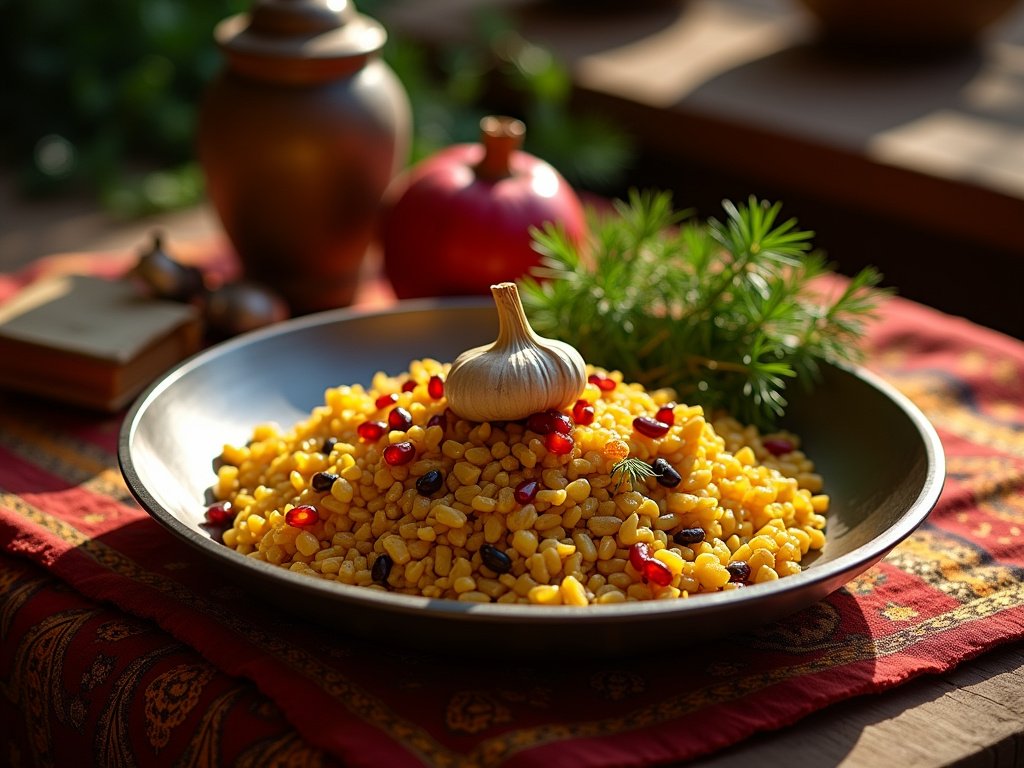
Bukhara Pilaf of the Silk Road is a culinary masterpiece that marries the rich traditions of ancient trading routes with the modern sensibility of plant-forward dining. This recipe transforms a classic pilaf into a celebration of flavors and textures, drawing inspiration from the diverse cultures and landscapes that once thrived along the Silk Road. By incorporating an array of mushrooms, vibrant spices, and aromatic ingredients, this dish not only pays homage to the historical significance of the Silk Road but also offers a delicious, wholesome meal that can be enjoyed by vegetarians and meat-eaters alike.
✨ Marco’s Story — “First Time I Visited Bukhara”
(Opening vignette for Esoterris Uzbek Plov)
The first time I visited Bukhara, I wasn’t looking for food.
I was looking for silence.
I remember stepping out of the taxi into a river of warm air that smelled like saffron, cumin, roasted carrots, and dust. The kind of dust that has watched centuries pass by and still refuses to settle. The sun was low, golden, stretching shadows across the old silk road stones. My breath caught in my throat — not because of the heat, but because it felt like the entire city was whispering.
The spice stalls were the first to speak to me.
Long wooden tables overflowing with bright turmeric, ruby barberries, black cumin, coriander, and long threads of saffron like sunbeams trapped in glass jars. Vendors didn’t shout. They didn’t need to. They just nodded with the same confidence as old wizards who know that people will eventually return for wisdom… and plov.
A man with silver hair and a beard that hid half his face waved me closer.
He cracked open a cloth bundle, and I swear the scent rose like an incense blessing:
fried onions, sweet carrots, toasted spices — the base of plov.
“Smell,” he said.
I leaned in, and the aroma wrapped around me like a story I already knew but had forgotten. It smelled like home, even though it was a world away from Ladispoli. It was the smell of gatherings, the smell of patient cooking, the smell of food that refuses to be rushed.
“Cooking is memory,” he said. “Plov remembers everything.”
And I believed him.
That night, under strings of lanterns, I watched a cook stir a vast kazan, the cast-iron pot glowing like a cauldron. Mushrooms, carrots, garlic heads, barberries, rice — each ingredient added slowly, respectfully, like pieces in a ritual.
No hurry.
No ego.
Just harmony.
And when I tasted it —
the Uzbek Mushroom Plov on a simple metal plate —
it tasted like the city itself:
earthy, sweet, bright, ancient, alive.
It was then I realized something:
Every cuisine has a soul.
Every dish has a memory.
And plov… plov is a story about patience and transformation.
A story perfect for Esoterris.
Tomorrow, we recreate that story in your kitchen — gently, mindfully, with the ingredients we have… but with the soul Bukhara gave me.
And as always, we do it our way:
simple, magical, plant-forward, healing.
🔮 TAROT INSIGHT
The Hermit — Wisdom Through Slow Fire
The Hermit is the guardian of solitude, patience, and deep knowing — the perfect archetype for plov, a dish that cannot be rushed.
Like the Hermit walking the Silk Road with only a lantern, plov teaches that:
✅ flavor builds slowly
✅ wisdom arrives gently
✅ transformation needs quiet
✅ the journey is as important as the destination
As the rice absorbs the spices and softens into harmony, you are reminded:
Your healing also unfolds grain by grain, layer by layer.
No hurry, no pressure — only presence.
🌳 CHAKRA INSIGHT
Root Chakra — Grounding Through Earth and Warmth
This plov, with its earthy mushrooms, golden carrots, onions, and warm spices, naturally resonates with the Root Chakra (Muladhara) — the energy of:
✅ safety
✅ stability
✅ grounding
✅ belonging
✅ connection to the Earth
Mushrooms and root vegetables anchor the body, while cumin, turmeric, and coriander warm digestion and calm the nervous system.
As you cook, breathe into your belly and repeat:
“I am rooted. I am safe. I am held by the Earth.”
Let the aroma become part of your grounding ritual.
✨ MAGICAL INSIGHT
Silk Road Alchemy — Spices as Memory, Rice as Timeline
In Esoterris magick, every ingredient carries a subtle energetic signature:
-
Carrots → courage
-
Mushrooms → intuition + renewal
-
Rice → continuity + timeline weaving
-
Garlic head → protection + inner fire
-
Cumin → clarity + cleansing
-
Coriander → new beginnings
-
Barberries → joy + brightness
-
Pomegranate seeds → abundance + blessings
Plov is a timeline dish — each grain of rice absorbs a different memory, a different moment.
As you stir the zirvak (the aromatic base), you activate:
✅ the warmth of the past
✅ the calm of the present
✅ the promise of the future
This simple ritual aligns beautifully with your healing path:
“Everything I was becomes fuel for who I am becoming.”
A perfect mantra for One Pot, Two Lives — and for you.
Historical Origins
The Silk Road was not merely a series of trade routes; it was a conduit for cultural exchange, carrying goods, ideas, and culinary traditions across continents. Bukhara, a historic city in Uzbekistan, served as a major hub along this ancient network. Known for its rich history and vibrant bazaars, Bukhara became a melting pot where traders and travelers would share stories and recipes. Pilaf, or plov as it is known in Central Asia, is a dish that embodies this multicultural tapestry. Traditionally made with meat, rice, and spices, pilaf has been adapted over the centuries to incorporate local ingredients and preferences. Our Bukhara Pilaf of the Silk Road preserves this spirit of adaptation, using mushrooms as a plant-forward substitute to create a dish that is both authentic and innovative.
Cultural Significance
Pilaf holds a special place in the hearts and homes of many cultures along the Silk Road. It is often served at celebrations and gatherings, symbolizing hospitality and abundance. Each region has its own version of pilaf, with variations in ingredients and cooking methods reflecting local customs and resources. In Uzbekistan, plov is a national dish, often prepared for weddings and large family gatherings. The communal nature of preparing and sharing pilaf mirrors the interconnectedness fostered by the Silk Road itself. By embracing a plant-forward approach, our recipe honors this tradition while catering to contemporary dietary preferences and environmental consciousness.
Unique Ingredients
The Bukhara Pilaf of the Silk Road showcases an exquisite blend of traditional and innovative ingredients. At its heart are mixed mushrooms, which provide a hearty, umami-rich base that mimics the depth of flavor typically found in meat. The use of mushrooms such as shiitake, oyster, and cremini adds complexity and texture, elevating the dish to new culinary heights. The addition of chickpeas introduces a satisfying nuttiness and protein boost, aligning with the plant-forward focus of modern diets.
Spices and Aromatics
The spices in this pilaf are a nod to the aromatic wealth that flowed along the Silk Road. Cumin and coriander seeds provide a warm, earthy foundation, while turmeric and saffron (or their substitutes) infuse the rice with a golden hue and subtle floral notes. Smoked paprika adds a "meaty" depth that enhances the overall flavor profile, making the dish a robust and satisfying meal. The inclusion of barberries or dried cranberries introduces a tart sweetness, balancing the savory elements and adding a touch of authenticity.
Cooking Techniques
Preparing the Bukhara Pilaf of the Silk Road involves a harmonious blend of techniques that enhance the flavors and textures of each ingredient. The rice is meticulously rinsed to remove excess starch, ensuring that the grains remain separate and fluffy. Sautéing the mushrooms, onions, and carrots in vegetable oil allows their natural sweetness and umami to develop, creating a flavorful base for the pilaf. The whole garlic head, with cloves intact, infuses the dish with a mellow, aromatic undertone as it simmers gently in the vegetable broth.
Conclusion
The Bukhara Pilaf of the Silk Road is more than just a meal; it is a culinary journey that transports diners to a time when spices and stories traversed continents. By embracing a plant-forward philosophy, this recipe offers a contemporary twist on a timeless classic, inviting everyone to partake in the rich heritage and vibrant flavors of the Silk Road. Whether enjoyed as a centerpiece at a festive gathering or as a comforting weeknight meal, this pilaf is a testament to the enduring power of food to connect us across cultures and generations.

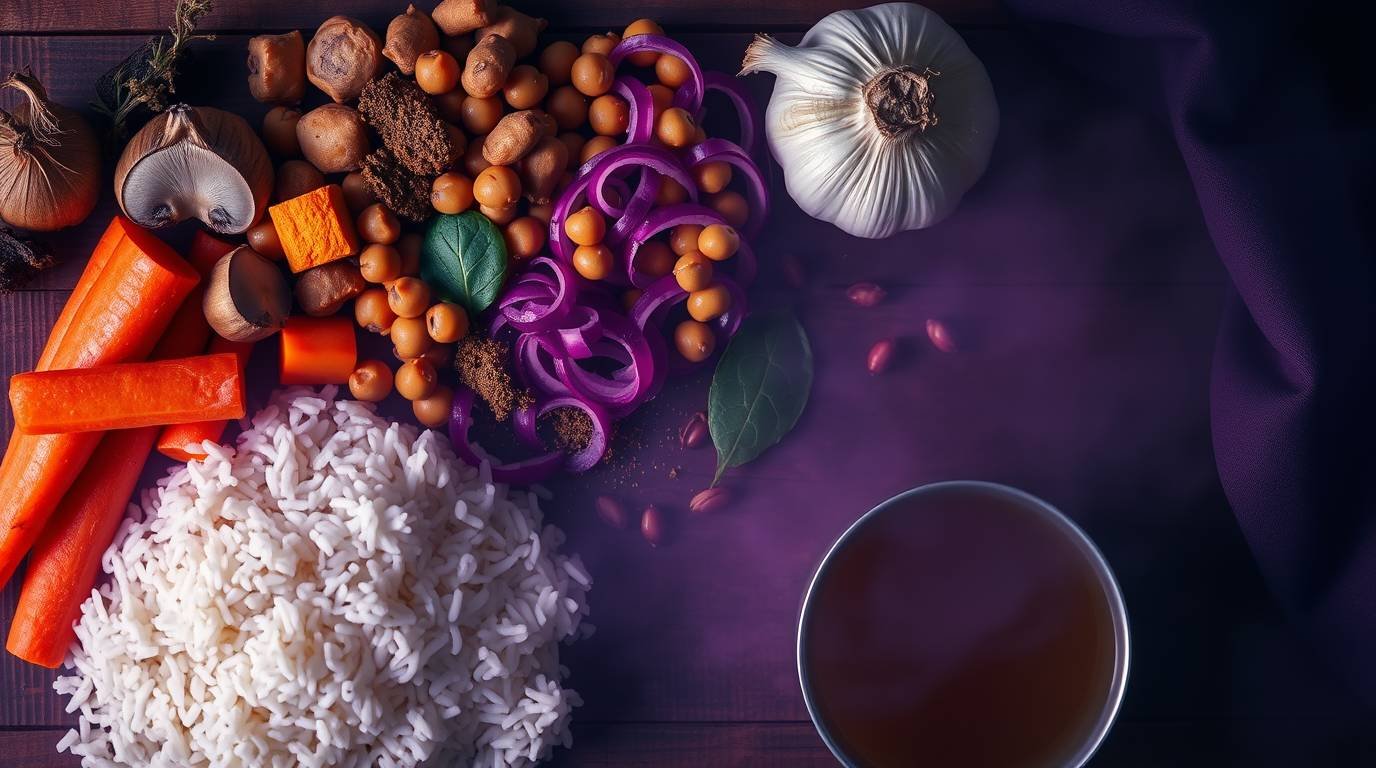 Rinse the basmati or long-grain rice under cold water until the water runs clear to remove excess starch.
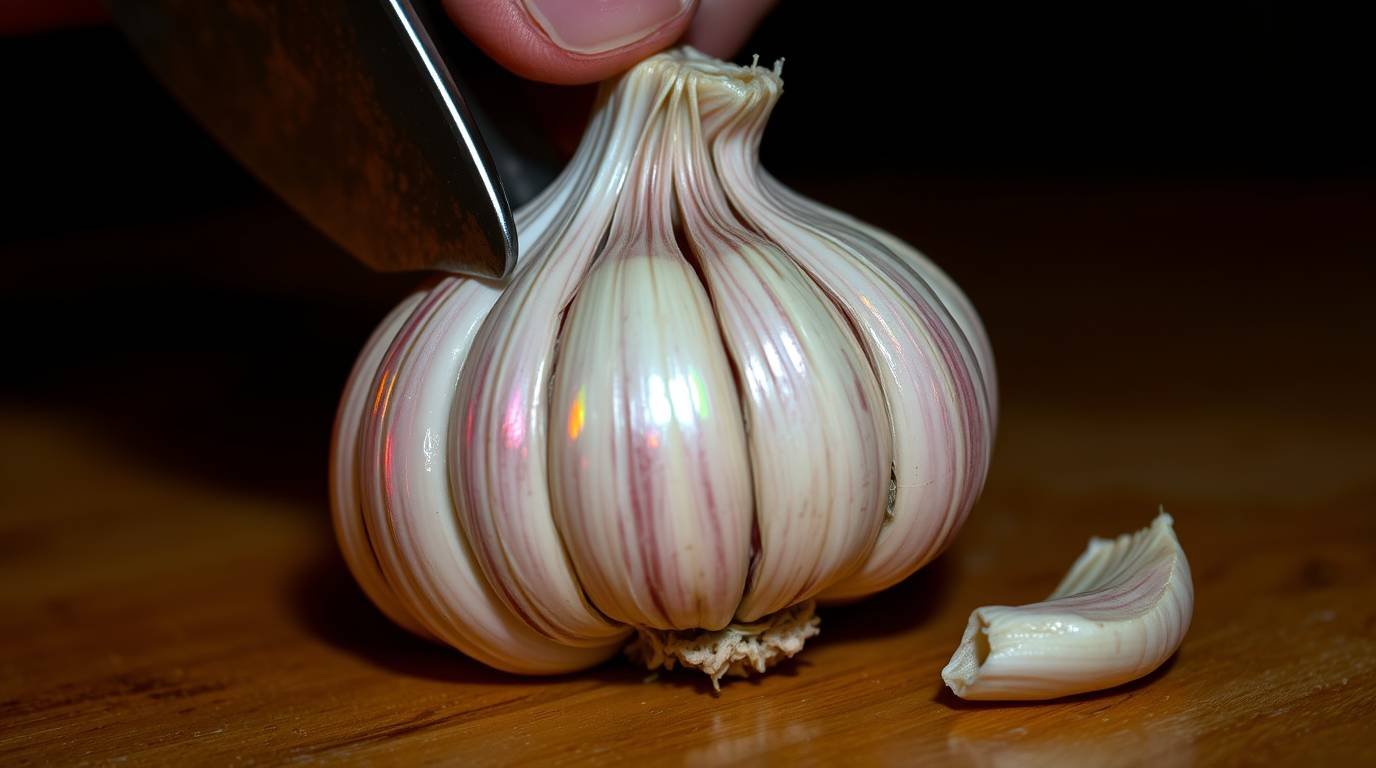 Peel only the outer layer of the garlic head, keeping the cloves attached and intact.
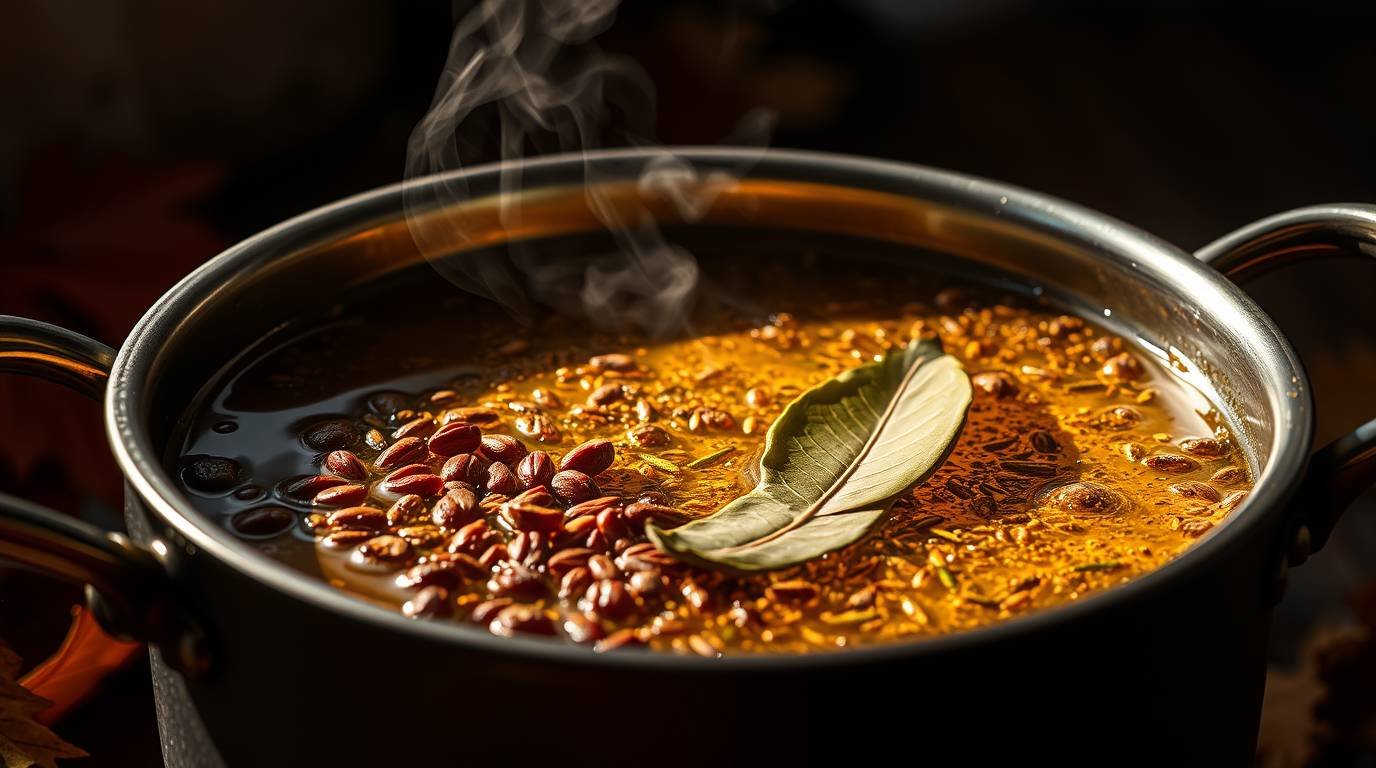 In a large pot, heat the vegetable oil over medium heat. Add the cumin seeds, coriander seeds or ground coriander, and bay leaf. Sauté until the spices are fragrant, about 1 minute.
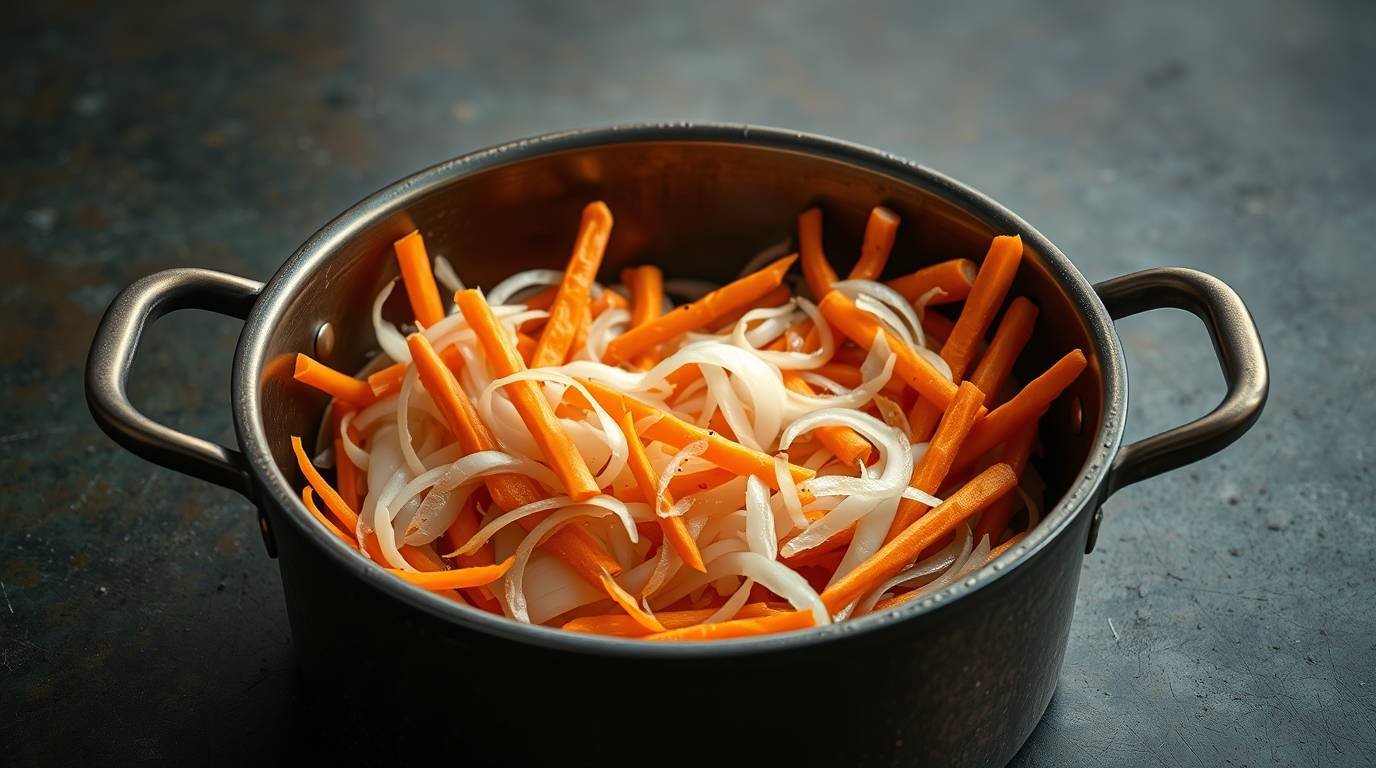 Add the sliced onions to the pot and cook until they are translucent. Add the julienned carrots and continue to sauté until they are softened.
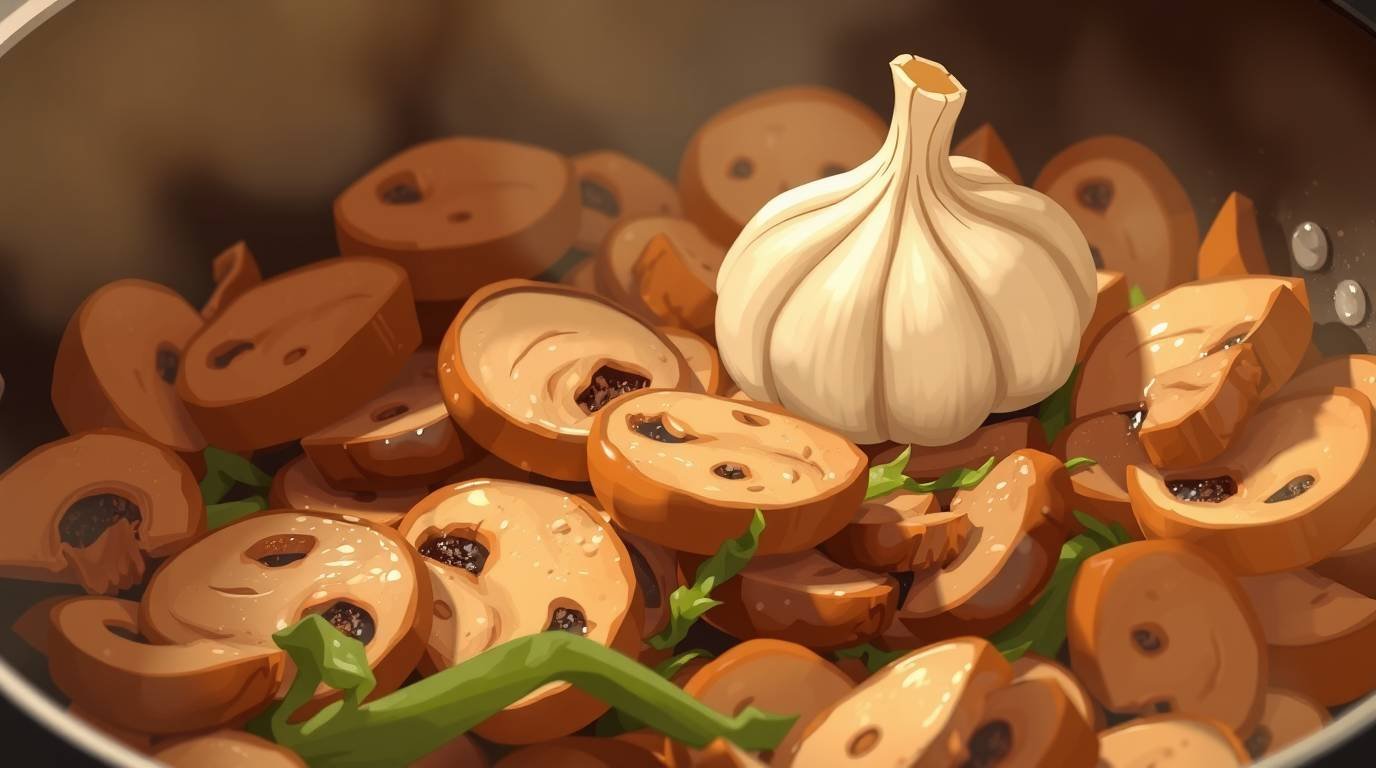 Stir in the sliced mushrooms and the whole garlic head, cooking until the mushrooms are browned and have released their moisture.
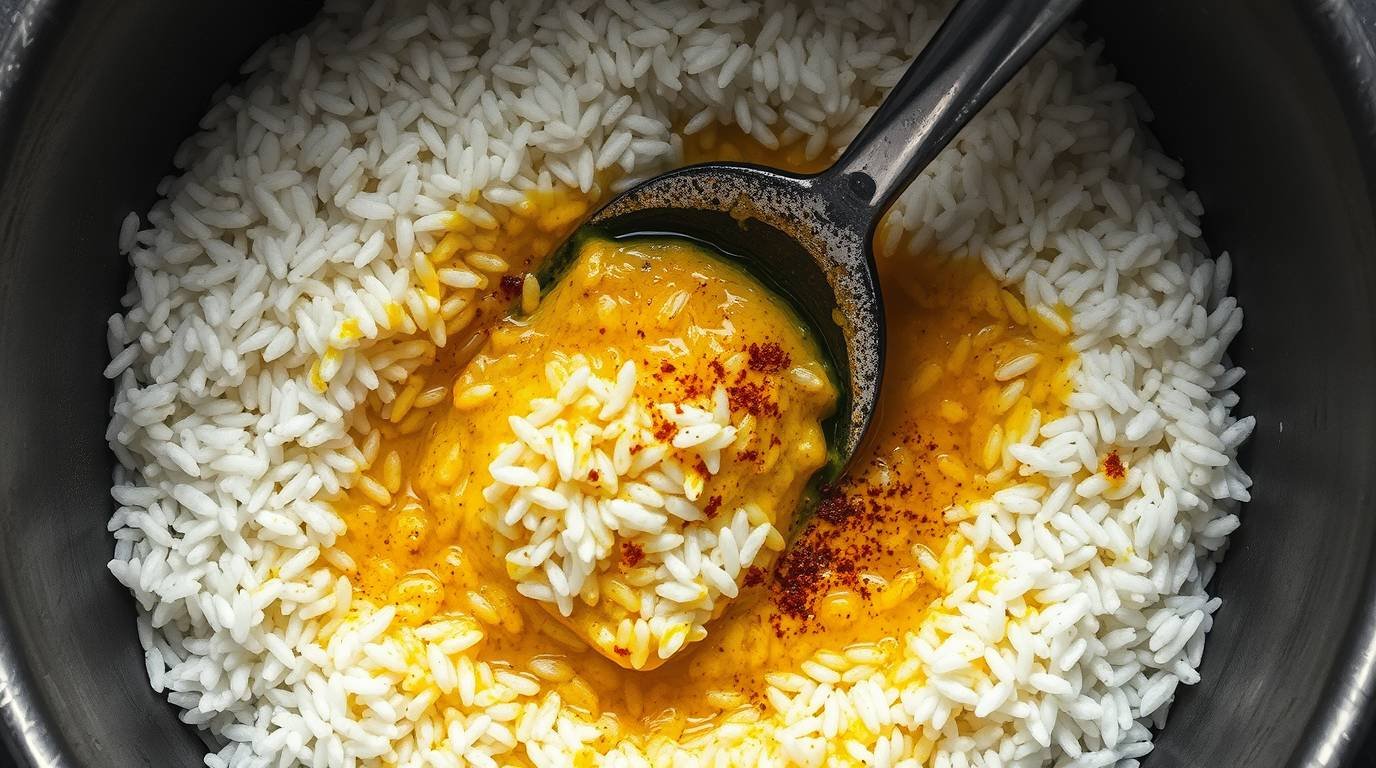 Add the rinsed rice to the pot, stirring well to coat the grains with the oil and spices. Sprinkle in the turmeric (or saffron), black pepper, and salt. Mix until well combined.
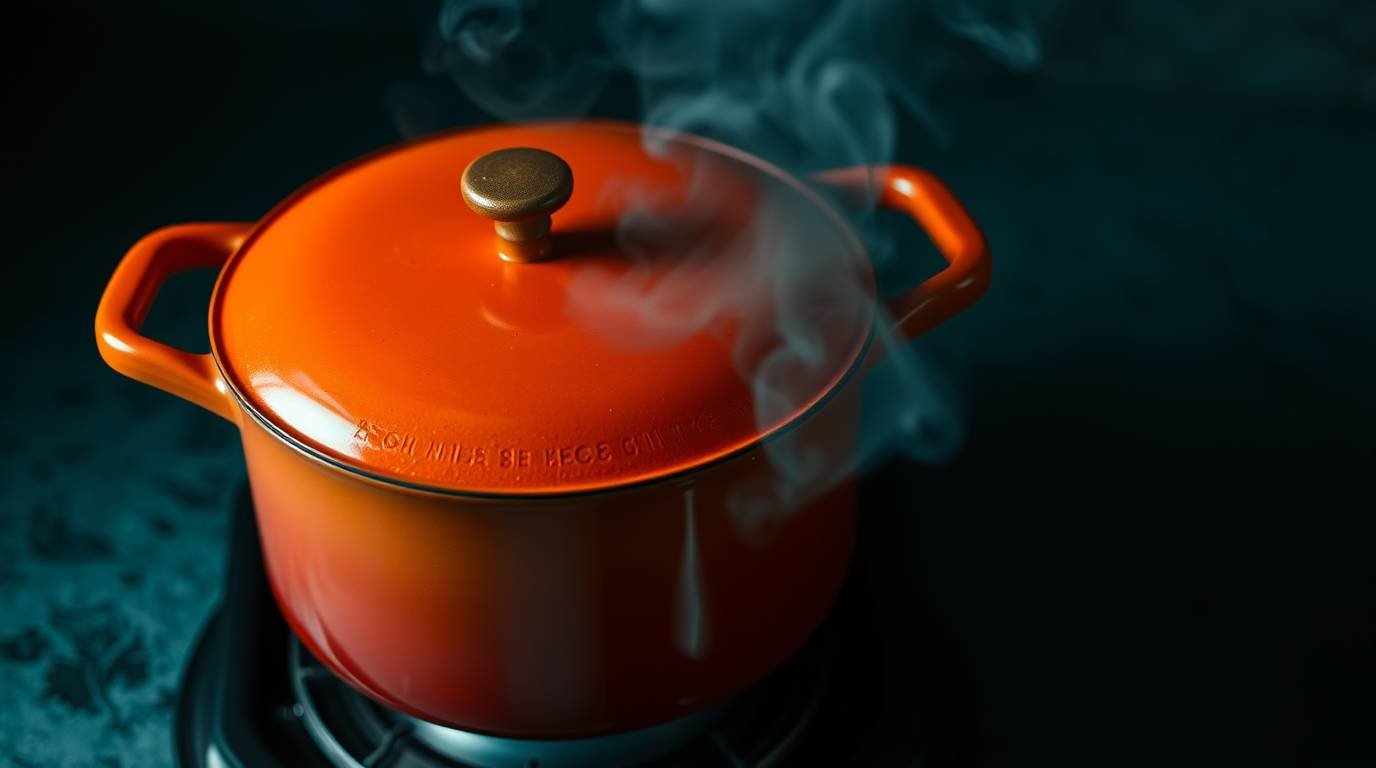 Pour in the vegetable broth (or water with bouillon) and bring the mixture to a boil. Reduce the heat to low, cover the pot, and simmer until the rice is tender and the liquid is absorbed, about 18-20 minutes.
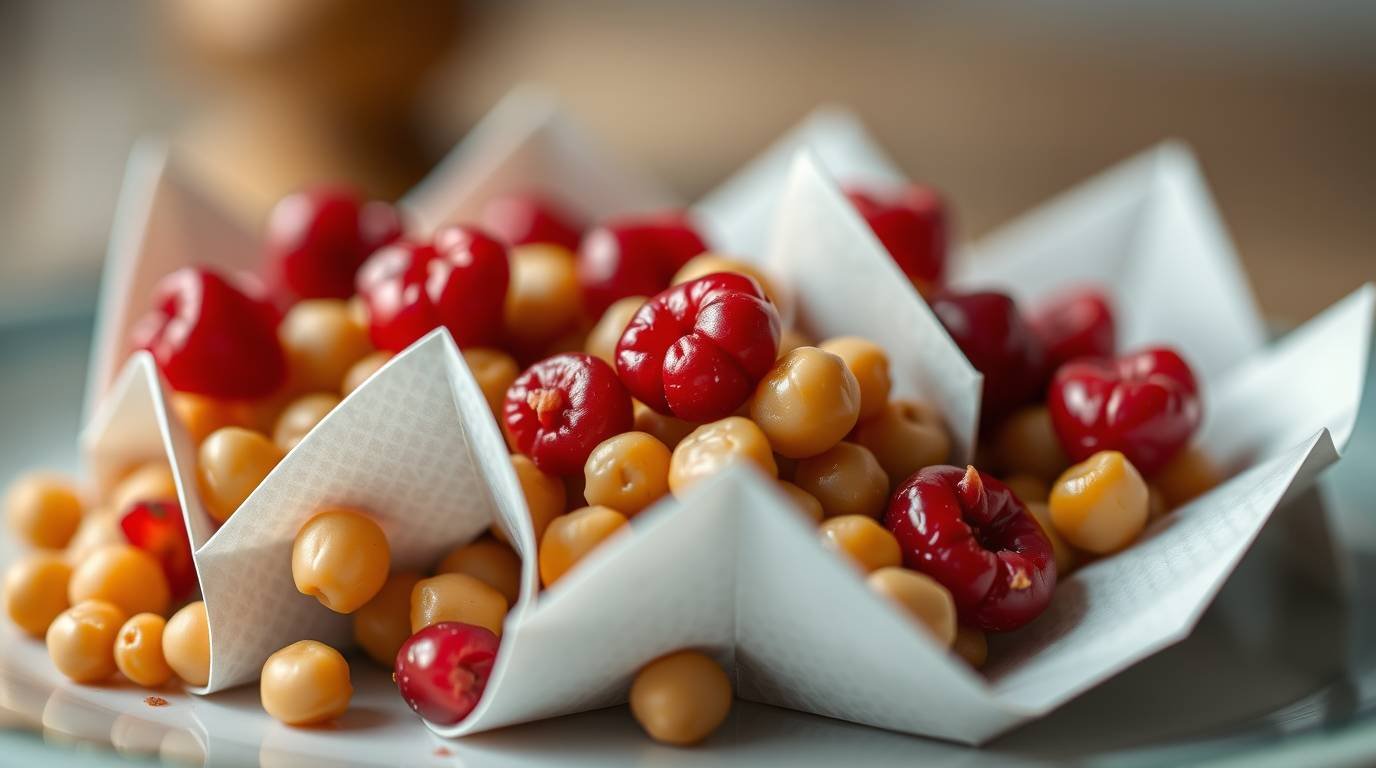 Once the rice is cooked, gently fold in the drained chickpeas and barberries or dried cranberries. Cover the pot again and let it sit off the heat for an additional 5 minutes.
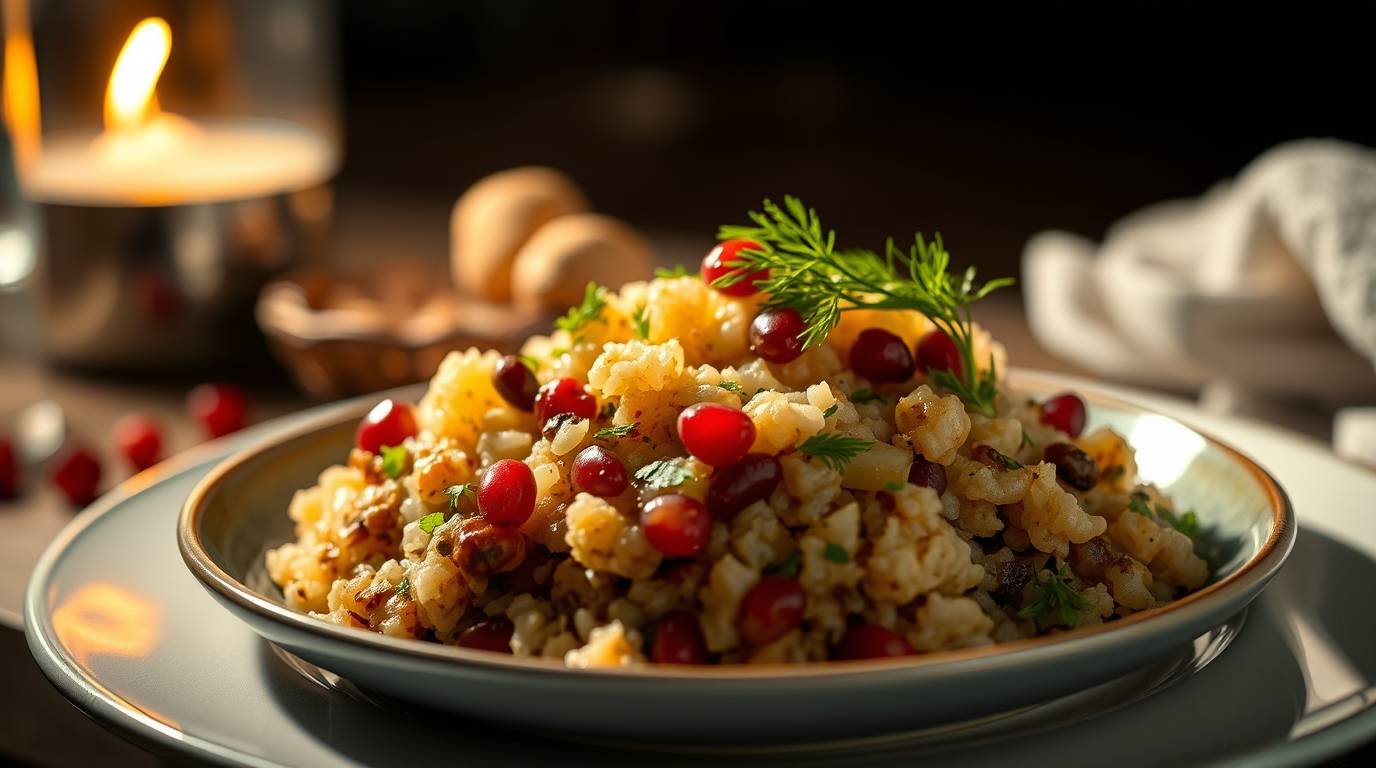 Before serving, drizzle with olive oil and garnish with fresh dill and pomegranate seeds if desired.